

In early March 2026, HUYA’s General Manager traveled to Tokyo, Japan with the team to launch a one-week, in-depth business study tour. The trip focused on multiple themes, including research into the development history of the raised access floor industry, the evolution of Japanese building technologies, and deeper engagement across the supply chain. On March 3, the team visited the UR Museum of Urban and Lifestyle Design in Akabane-dai, Kita City, Tokyo, despite the rain. Through an advance-booked, capacity-limited guided tour, the team gained a systematic understanding of how Japan’s urban development and residential lifestyles have changed since the 1920s.
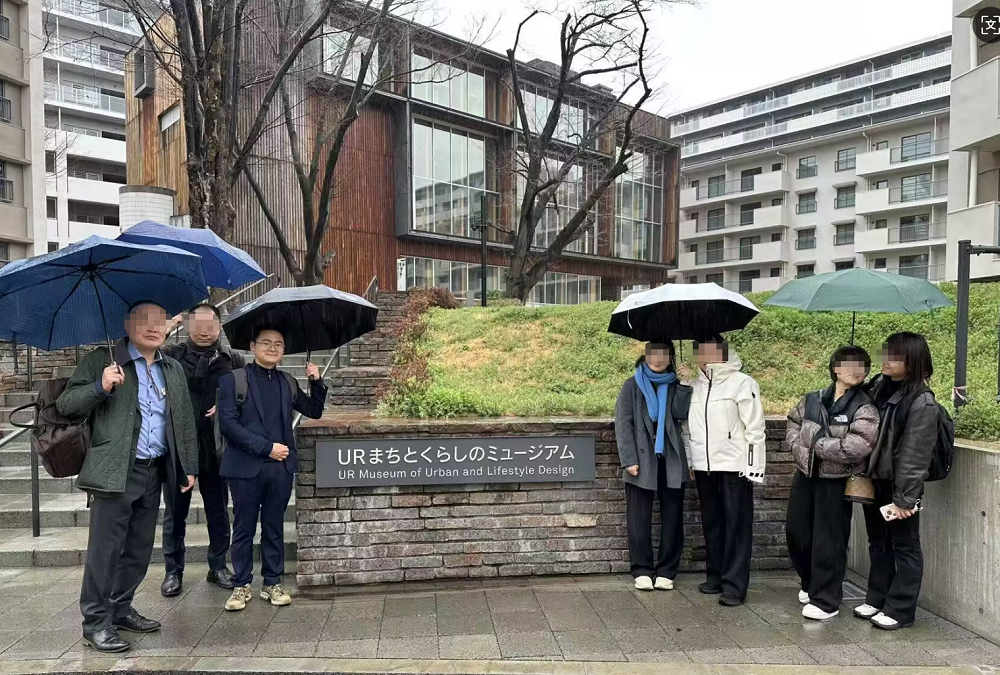
Departing with Purpose: The Deeper Intent Behind the Trip
Japan, a defeated nation after World War II, rose within just a few decades from a country struggling to secure basic necessities to a global economic powerhouse second only to the United States. What made today’s Japan possible?
The trip leader lived and worked in Japan for more than ten years between 1989 and 2014. Through firsthand experience and long-term observation, he gradually found his answer: “An enterprise is people; a nation is its people.” A company is, in essence, a group of people; an outstanding company is a group of people who act according to shared rules. This relentless pursuit of rules and details forged the competitiveness of Japanese companies and propelled Japan’s postwar economic takeoff.
Although the one-week itinerary was packed with business visits, what the trip leader hoped for even more was that every participant would carefully observe every detail they saw and encountered in Japan, especially things they had never experienced before, and seriously reflect on one question: Why?
Departing with questions in mind, missing none of the details in each experience, broadening horizons, and collecting as much information as possible that cannot be encountered in China, this was the core purpose of the Japan trip
Into the Rain: From Akabane Station to the Museum
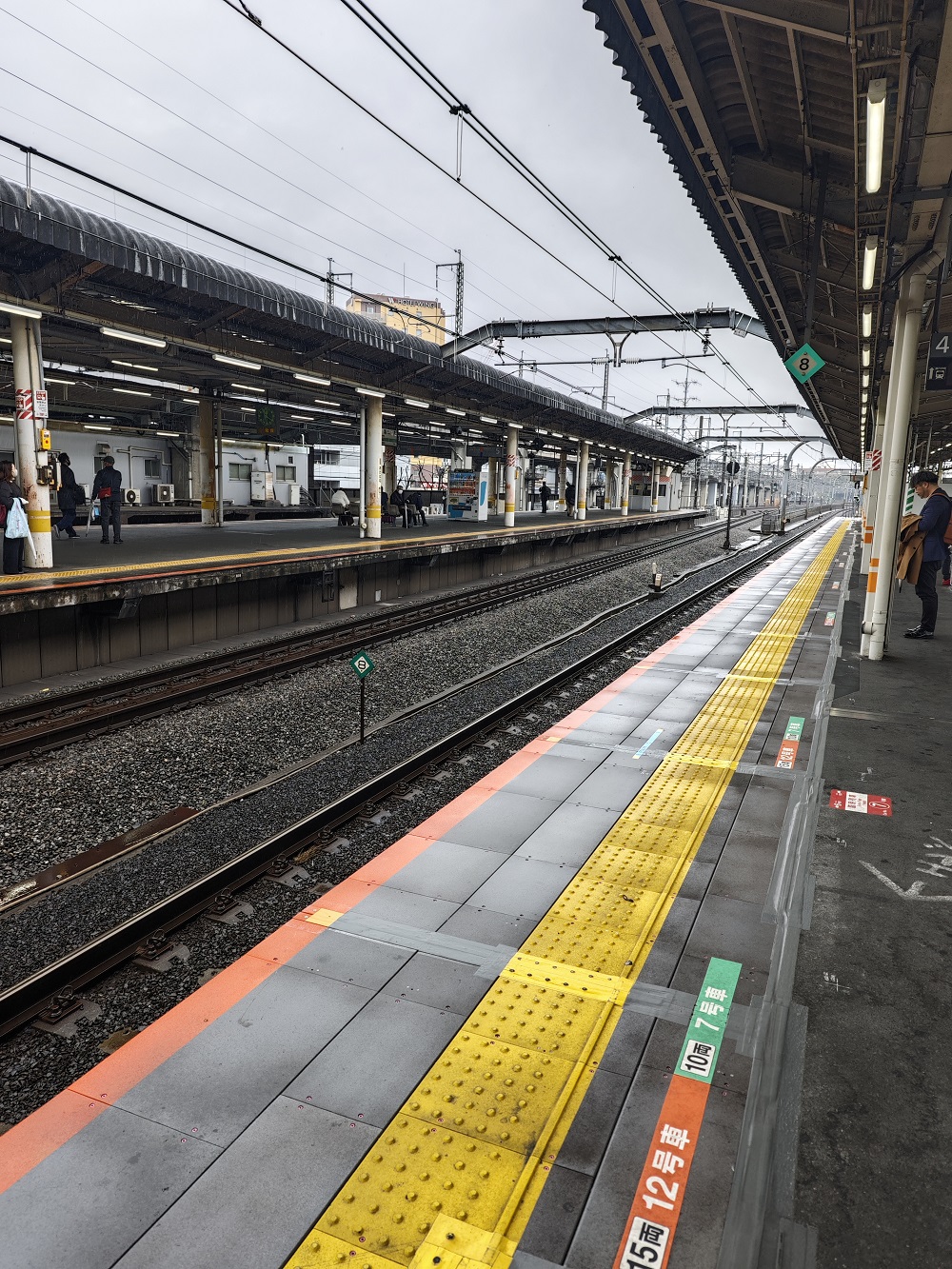
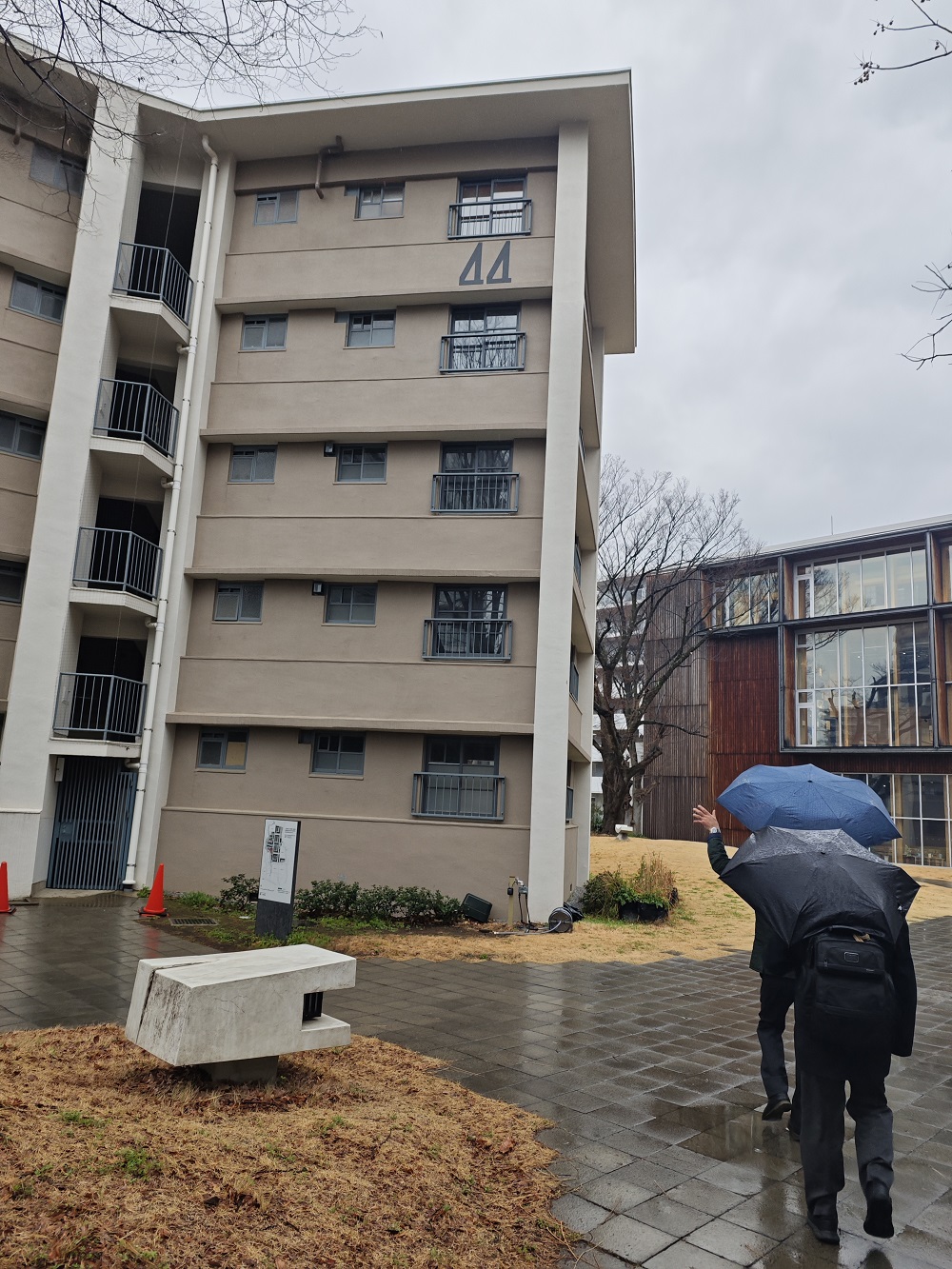
On the morning of March 3, Tokyo’s skies were overcast and a fine rain fell steadily. After alighting at JR Akabane Station, the team walked to the museum. Despite the poor weather, the platform’s orderly signage system, carriage stopping-position markers accurate to the centimeter, neatly laid tactile paving blocks, and clearly marked safety lines, already impressed upon the team the extreme dedication to detail management that pervades Japanese society. This attitude of “getting every single detail right” was precisely what the team leader hoped everyone would internalize during the trip.
About UR Museum of Urban and Lifestyle Design
The About UR Museum of Urban and Lifestyle Design is established and operated by the Urban Renaissance Agency (UR) and is located in Akabane-dai, Kita City, Tokyo—about an eight-minute walk from the north exit of JR Akabane Station. It is a large, hands-on museum centered on the theme of “urban and living design.” Admission is free to the public, with entry by date-and-time reservation.
UR’s history can be traced back to Dōjunkai, founded after the 1923 Great Kantō Earthquake, the first public institution in Japan dedicated to the construction of multi-family housing. After the disaster, Dōjunkai built a large number of modern reinforced-concrete apartments, pioneering public housing in Japan. Over time, the lineage continued through organizations such as the Housing Corporation (1941) and the Japan Housing Corporation (1955), eventually evolving into today’s UR.
Grounded in this rich historical foundation, the museum uses extensive exhibits to guide visitors through an experiential overview of Japan’s public housing and urban development – past, present, and future.
As early as January 1, 2026, the HUYA team completed an online reservation for an eight-person group via the Webket ticketing system and secured a spot in the 10:00 a.m. capacity-limited guided tour on March 3. Unlike general self-guided visits, the capacity-limited tour is led throughout by a professional museum guide who provides structured, in-depth explanations.
The Starting Point: The 1927 Dōjunkai Daikan’yama Apartment — The “Prototype” of Japan’s Floor System
The first exhibit that drew the team’s strong attention was a construction cross-section model (structural cutaway model) from the 1927 Dōjunkai Daikanyama Apartments.
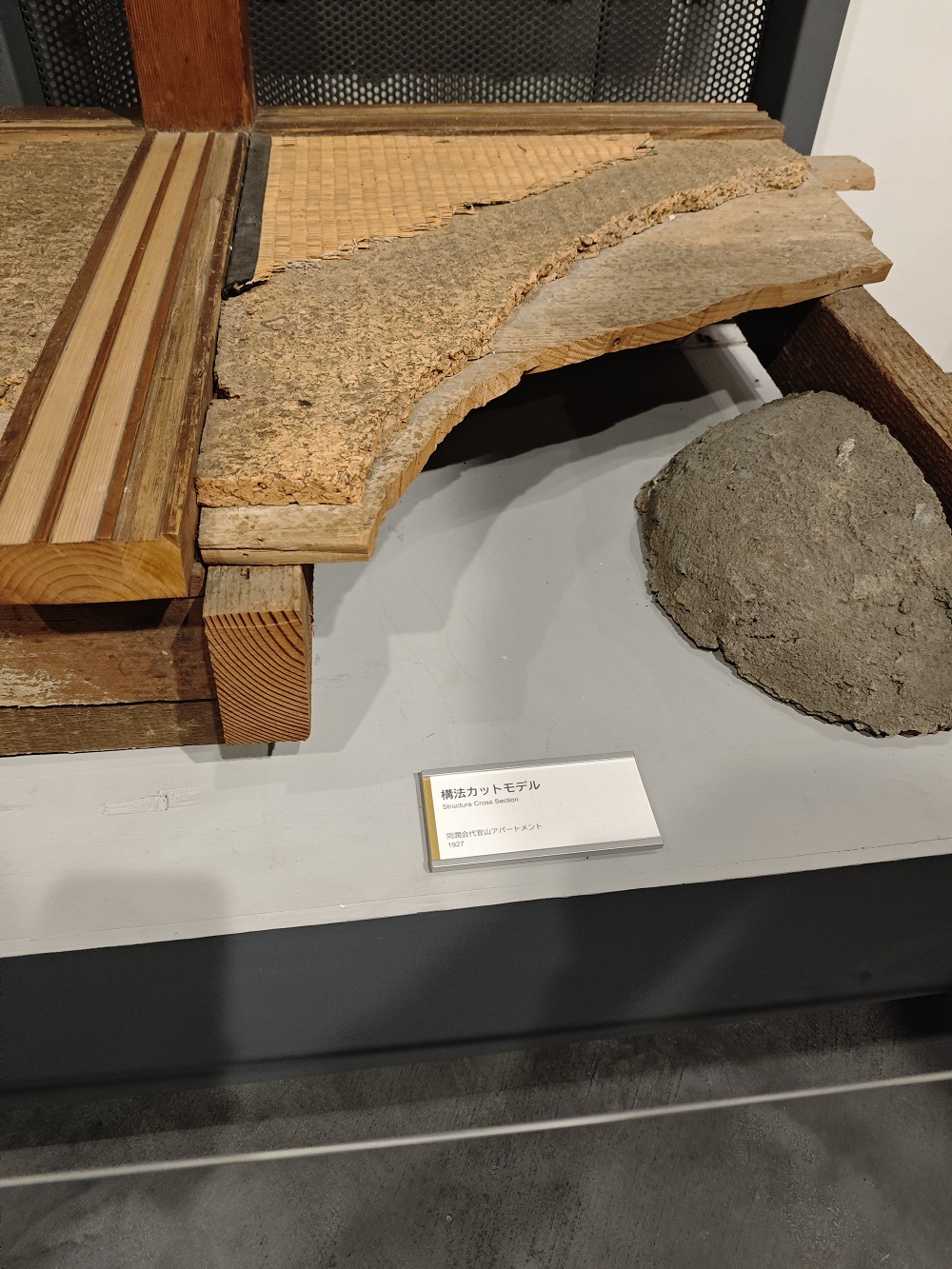
This valuable physical cutaway fully presents the floor construction methods of nearly a century ago in Japanese multi-family housing: the top layer is traditional tatami and floor finishes; the middle layer consists of sublayer materials such as particleboard or fiberboard; below that, solid wood joists form the supporting frame; and at the bottom lies the reinforced-concrete slab. The selection and combination of each layer reflect the careful balancing of sound insulation, thermal insulation, load bearing, and durability by architects of that era.
For HUYA, long focused on raised access floors, this exhibit carries exceptional significance: it shows the “prototype” of modern raised floor systems. From the traditional joist-supported floor construction in the 1927 Dōjunkai apartments, to standardized floor systems gradually introduced in public housing, and further to the OA raised floor technologies widely used in contemporary buildings, Japan’s building floor systems have undergone nearly a century of evolution.
Shōwa-Era Public Housing Estates: Living Specimens of Floor System Evolution
In the museum’s reconstructed residential exhibit area, team members felt as if they had traveled back in time into the real living spaces of public-housing residents in 1950s Japan. These reconstructions not only depict everyday life in the Shōwa era, but also provide, through the lens of the flooring industry, a clear trajectory of floor-system evolution.
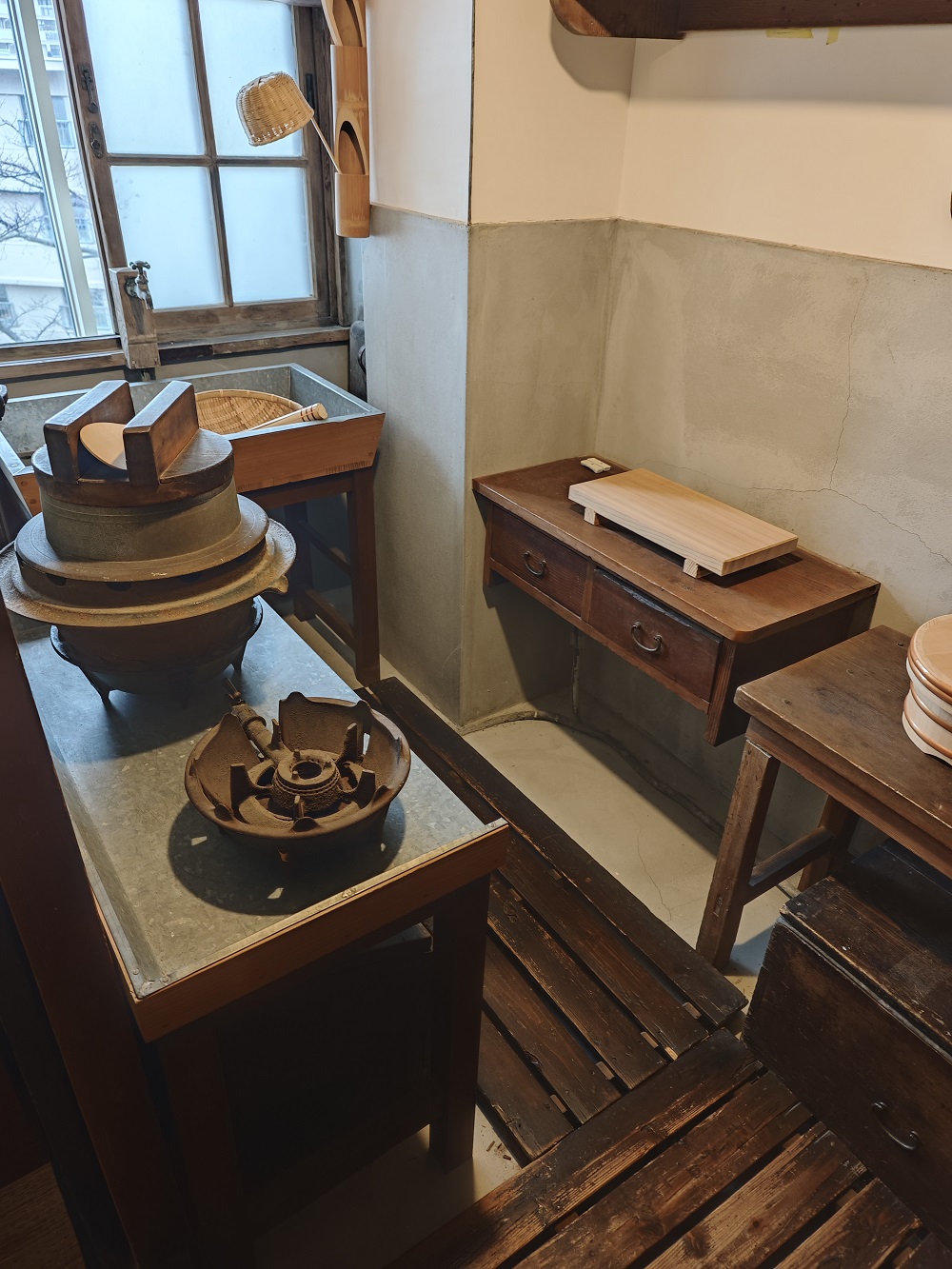
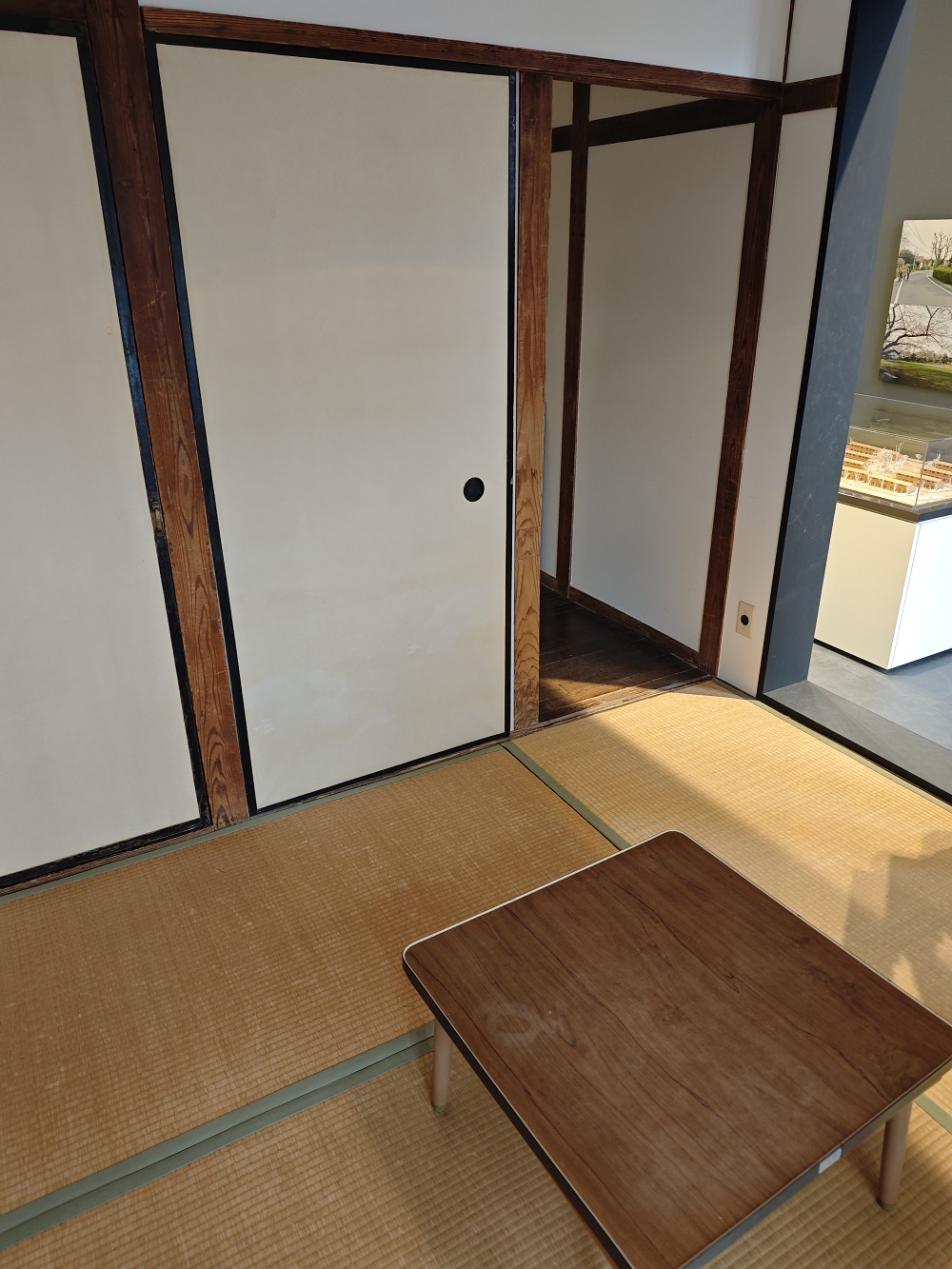
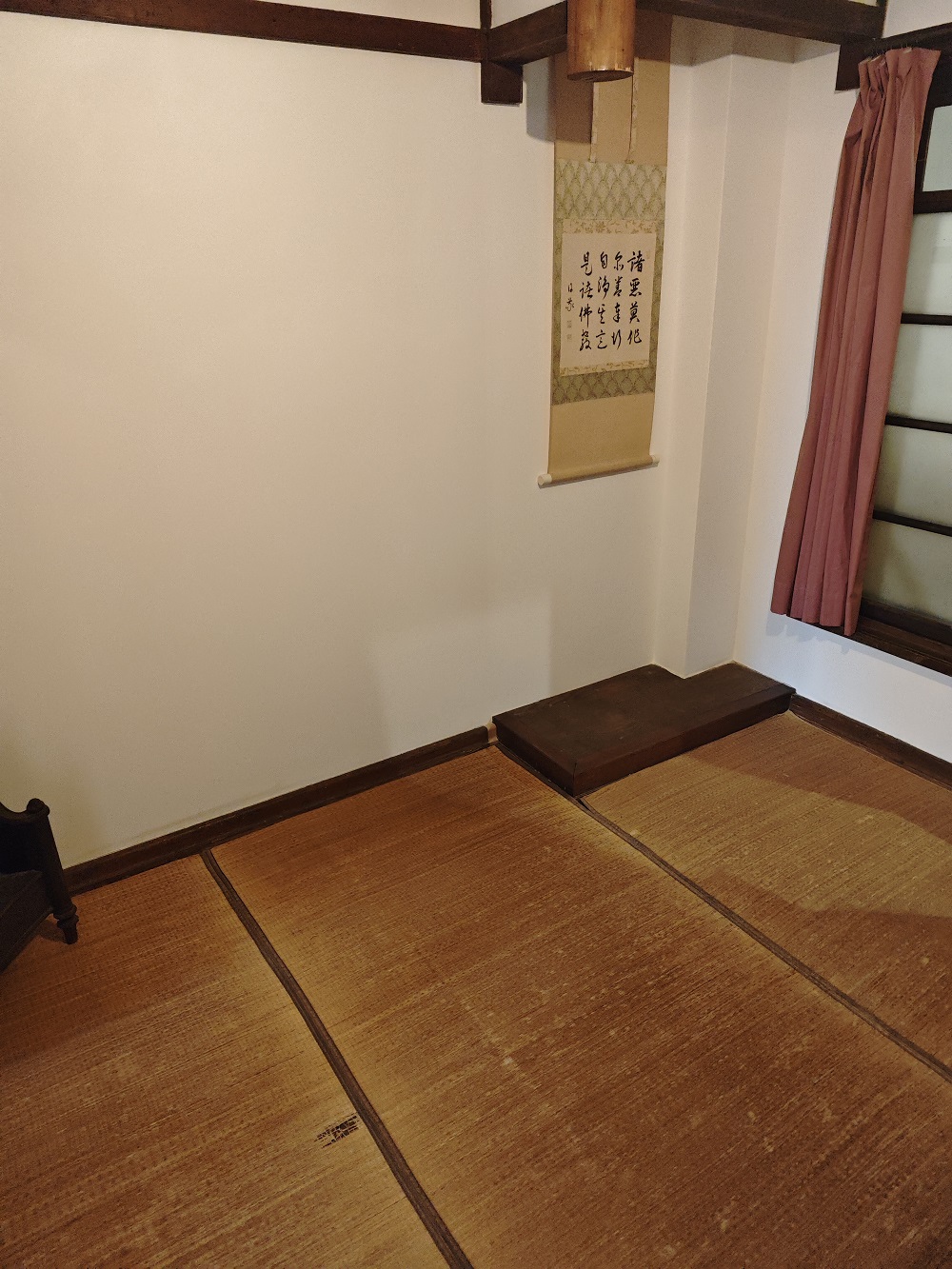
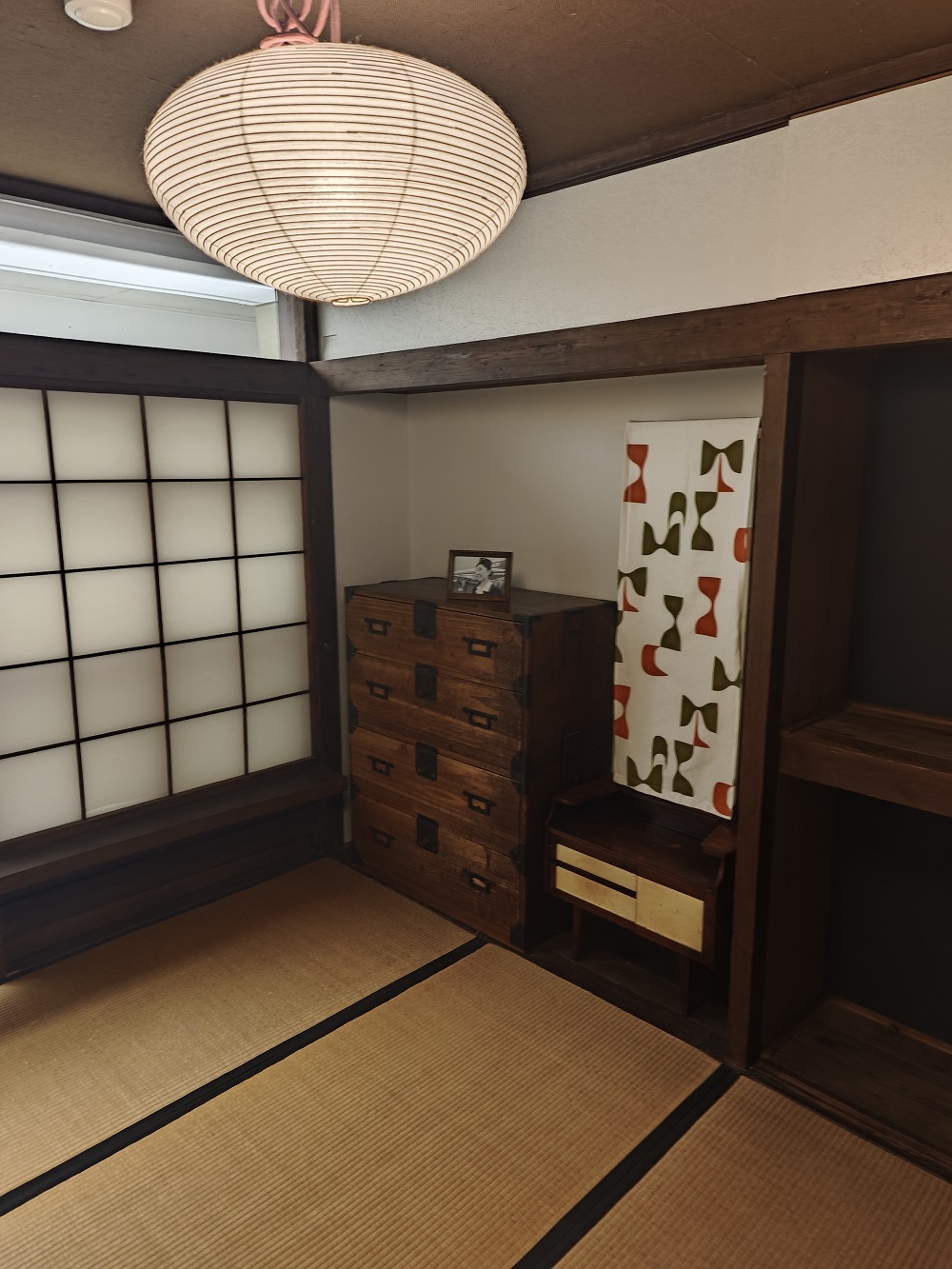
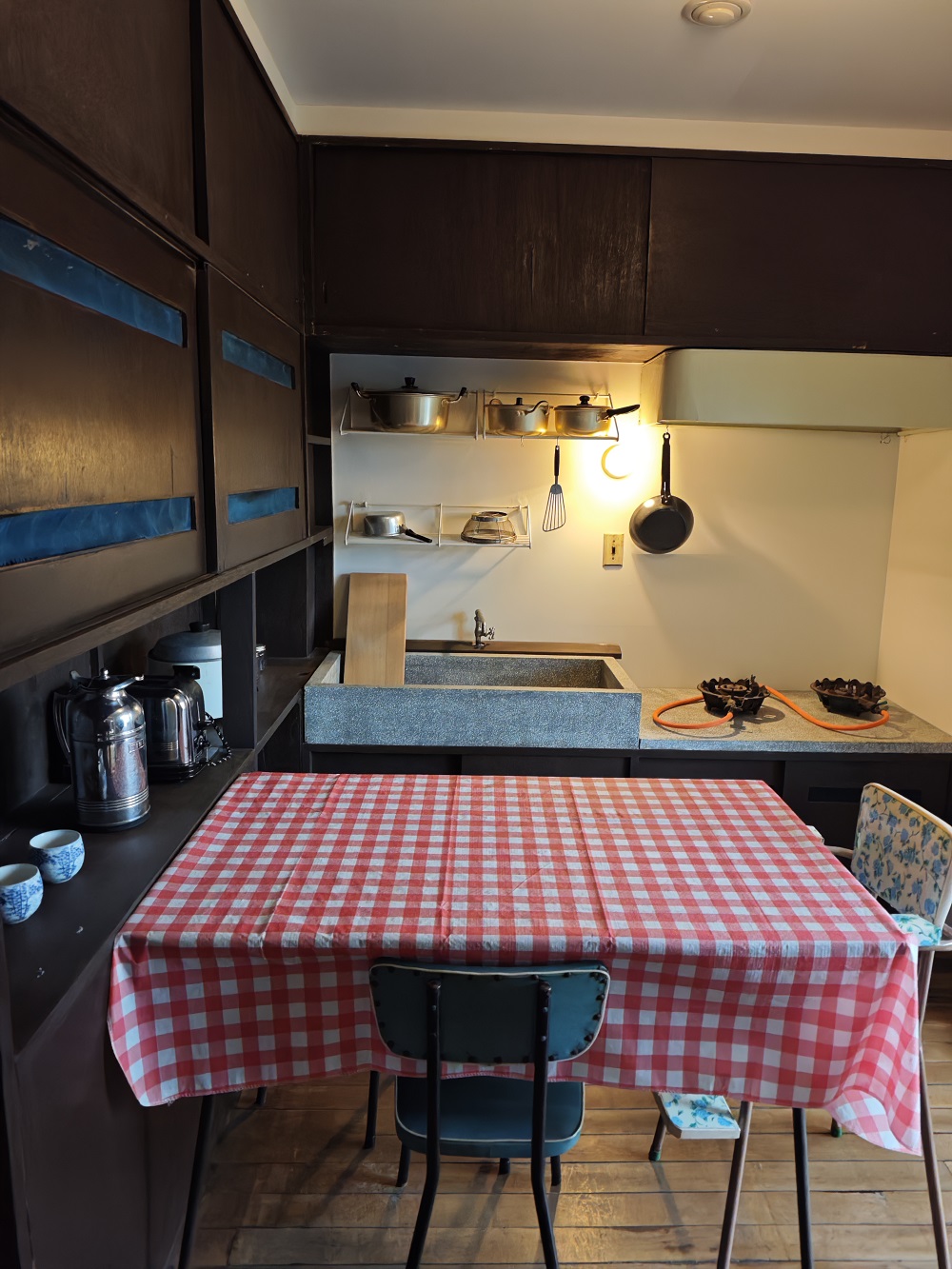
In early housing complexes, kitchens often used slatted wooden flooring arranged with gaps to improve drainage and ventilation, preventing people from standing directly on damp concrete. This can be seen as the most basic form of a “raised” concept. Entering the DK (Dining Kitchen) space, the flooring was upgraded to wooden flooring. The DK concept itself was a milestone in Japan’s residential design history: in 1951, the “51C-type” plan separated dining from the traditional washitsu, fundamentally changing centuries-old living habits. Common Japanese real-estate labels such as “2DK” and “3LDK” trace their origins back to this shift. Meanwhile, tatami, Japan’s most iconic traditional flooring material, directly determines room planning through its modular dimensions.
From slatted flooring to wooden flooring and then tatami, different eras and functional zones adopted different flooring solutions. This “fit-for-purpose” thinking aligns with the modern approach of selecting different floor systems based on usage scenarios.
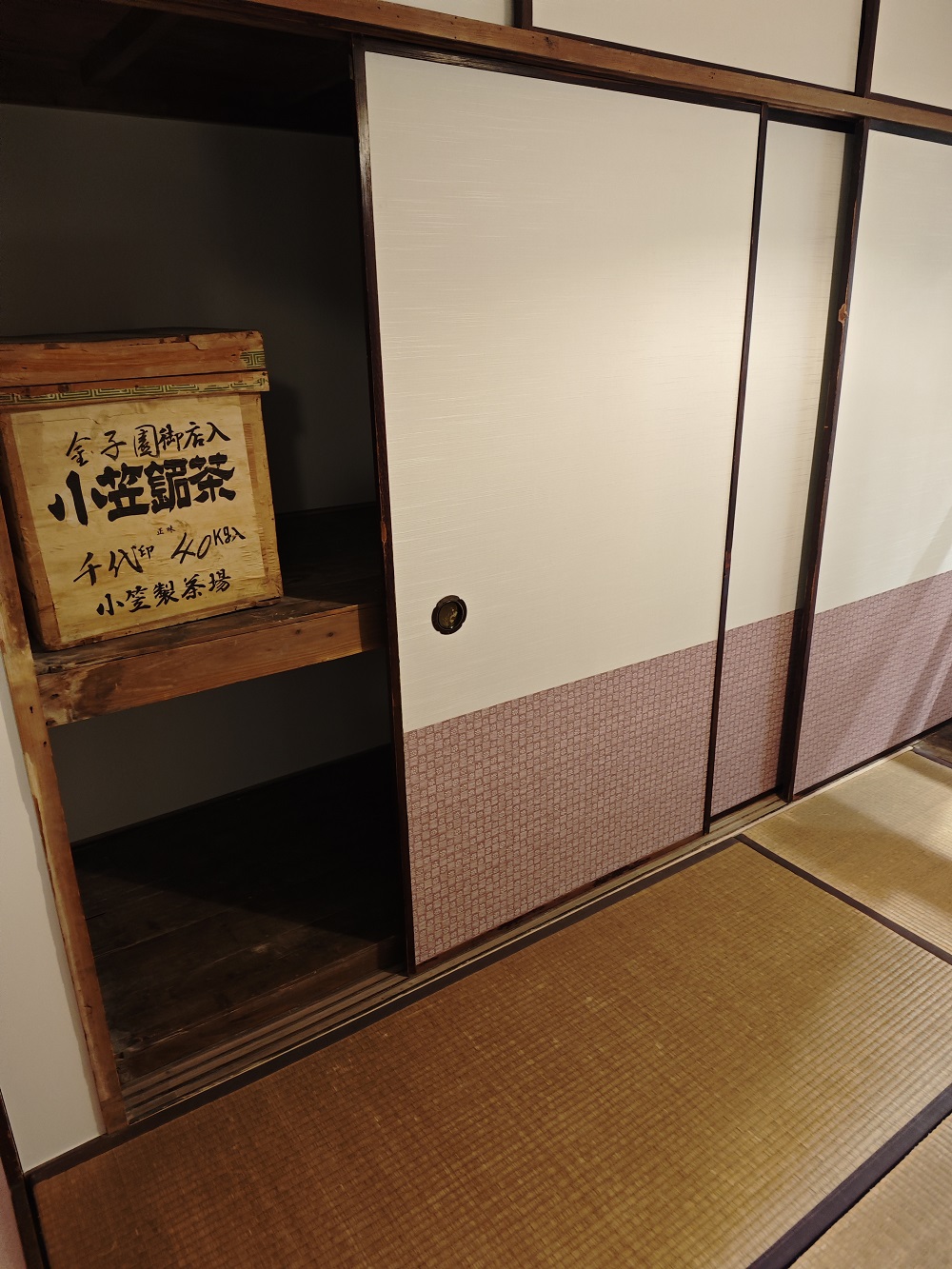
The team also noted many spatial details that reflect Japanese living culture: the oshiire (built-in closet) enables “multi-purpose use” in small homes; the tokonoma (alcove) is preserved even in very limited floor areas to display calligraphy or paintings, reflecting a commitment to spiritual space; and shōji (paper sliding screens) soften outdoor light to create a warm, understated atmosphere. All of these convey one message: even in times of severe space constraints, the pursuit of quality of life in Japan was never abandoned.
The “Time Cross-Section” of Tatami
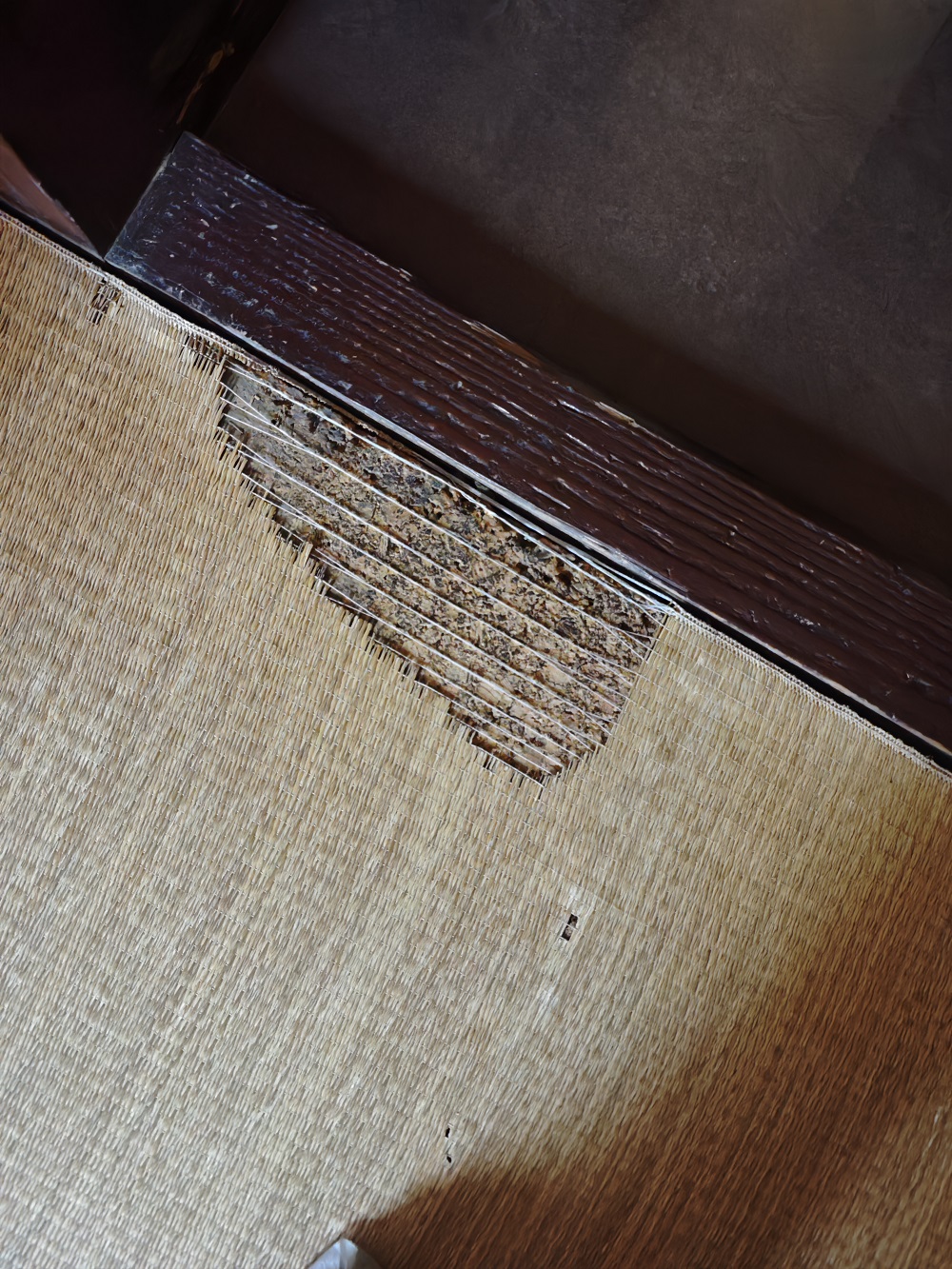
Accelerated wear of the igusa (rush grass) surface in high-traffic areas vividly reveals the aging patterns and durability limits of traditional flooring materials, core issues that modern floor-system design must address. The move from natural-fiber tatami to engineered, high-performance composite flooring materials is the result of repeated study and improvement under the test of time.
Star House: Classic Symbol of Japan’s Public Housing
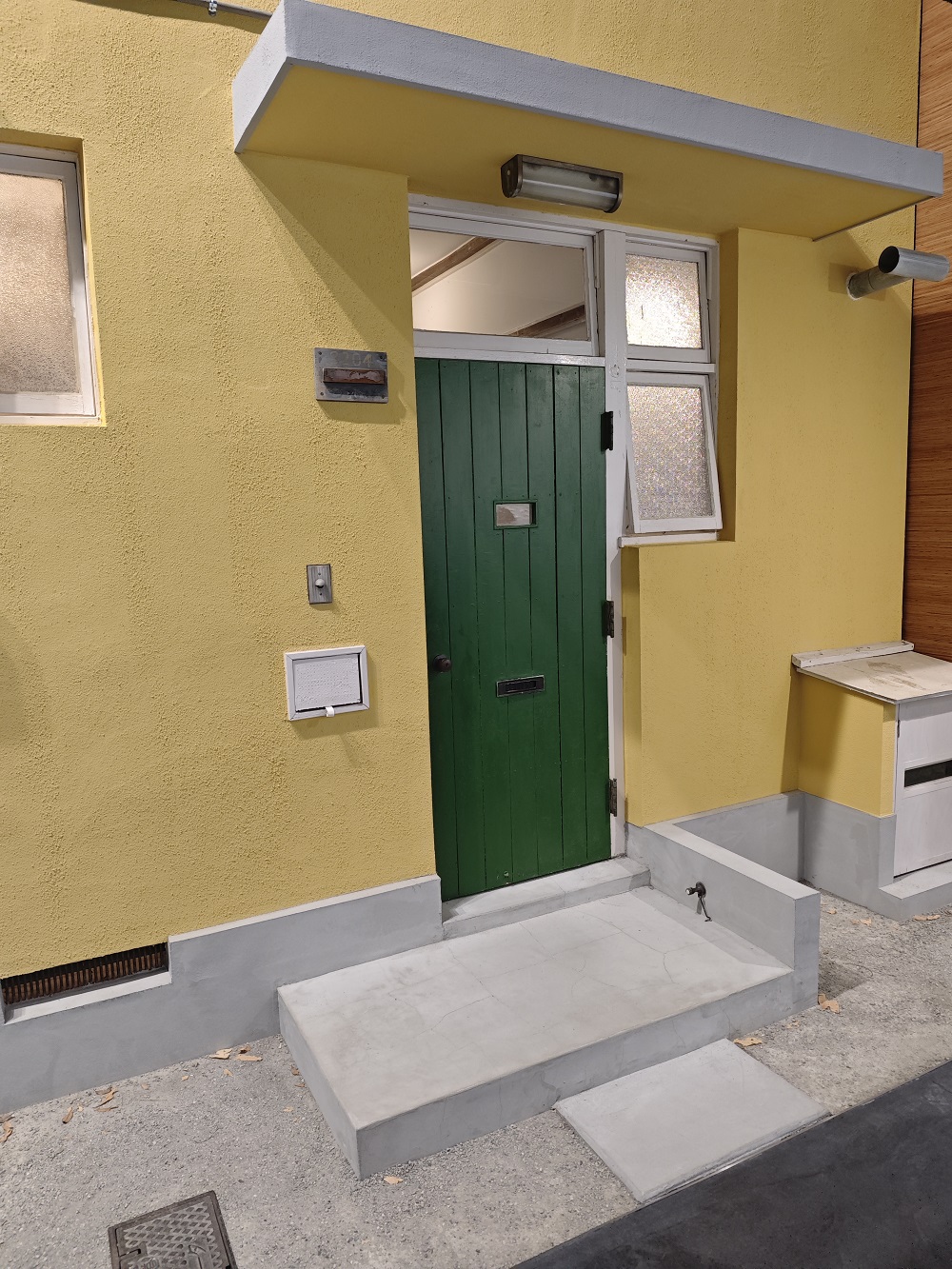
The Star House is a distinctive housing type built by the Japan Housing Corporation in the 1950s–60s. Named for its Y-shaped (three-wing, radiating) floor plan, it allows each unit to have windows facing at least two directions, greatly improving daylighting and ventilation while reducing direct sightline interference between neighbors, form driven by careful thinking about living quality. The interior reconstructions visited earlier (stove kitchen, DK dining-kitchen, tatami washitsu, softened light through shōji) depict the real everyday scenes of Star House residents. Here, exterior and interior, structure and life, blend into a coherent whole.
Preserving the Star House is itself a statement: architecture is not merely an assembly of reinforced concrete, it is a material carrier of a period’s way of life.
Evolution: From Timber Joists to Modern Floor Systems
Comparing the modern exhibit zone with the earlier displays is striking: from the heavy wood-joist frames and rough fiberboard sublayers seen in the 1927 Dōjunkai apartments, to the slatted floors and tatami of 1950s public housing, to wooden flooring in DK spaces, and finally to today’s smooth, refined, precisely installed composite floor systems—Japan’s residential floor systems have evolved from “meeting basic functions” to “pursuing comprehensive quality.”
This is not only progress in materials science and manufacturing, it is a fundamental shift in building concepts. The team held in-depth discussions around this century-long technological trajectory: the sound-insulation limitations of early joist structures; the leap achieved by raised floors through an underfloor cavity that separates utilities and delivers excellent acoustic performance; the transition from single natural materials to high-performance composite material systems; and the evolution from manual craftsmanship to industrialized, standardized installation. Every step reflects the accumulated wisdom of generations of engineers.
This is also the core value of HUYA’s long-term focus in the raised floor sector: embedding a century of technical insight into every product.
Earthquake and Rebirth: The Ultimate Test of Building Safety
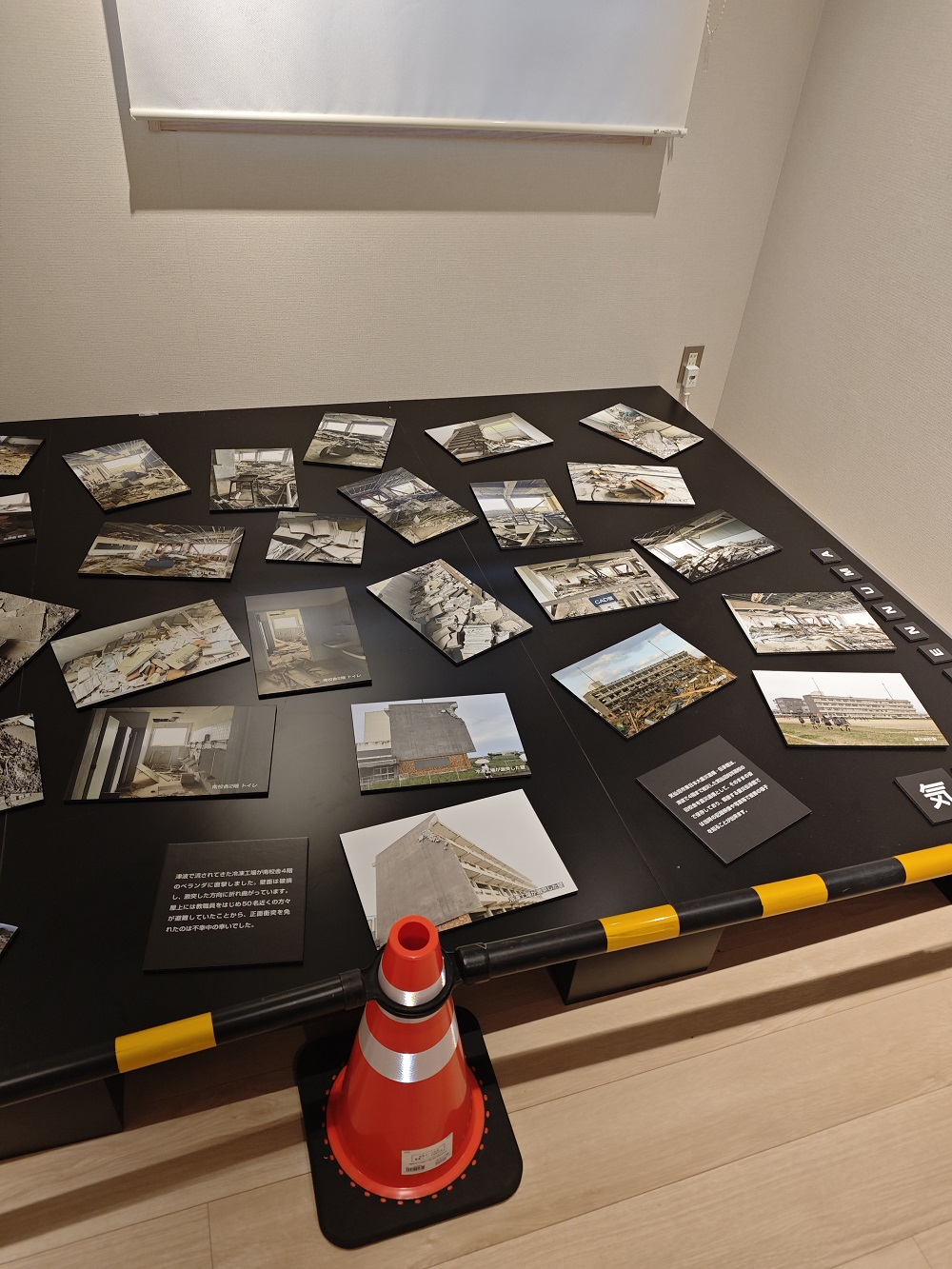
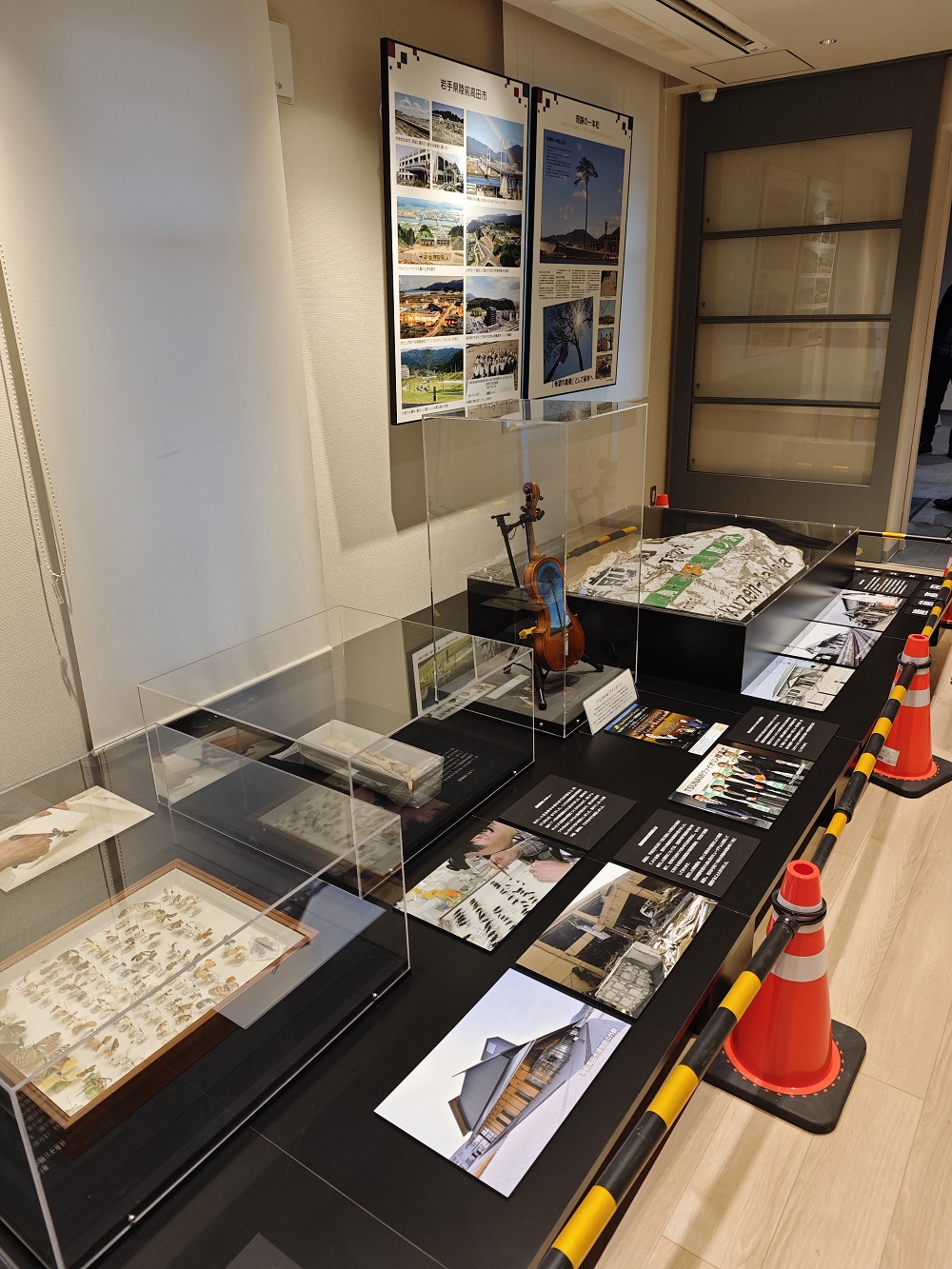
One deeply moving section of the guided tour caused the entire team to pause for a long time, the records of the Great East Japan Earthquake, its devastation and recovery. The display panel documented a staggering fact: the tsunami swept up an entire frozen food factory and hurled it against the fourth-floor balcony of a housing estate building, while approximately fifty residents were sheltering on the rooftop of that very building. The special section on Rikuzentakata presented, through a complete chronological narrative, the full journey of a city from destruction to rebirth, roughly seventy percent of the city’s buildings were swallowed by the tsunami, and the photographs on the panels progressed from utter devastation, step by step, to gleaming new reconstruction housing rising from the ground. The “Miracle Pine” (Kiseki no Ippon Matsu), the sole survivor among seventy thousand coastal pine trees, became the symbol of Japan’s 3/11 recovery spirit.
This exhibition area prompted profound reflection within the Huiya team. Architecture is not only about aesthetics and comfort, it is fundamentally about safety and life. As a country prone to frequent earthquakes, Japan’s construction industry pursues seismic performance to the utmost, and its resilience in learning from every disaster, upgrading standards, and improving technology deserves deep consideration from all building industry professionals. As a floor system manufacturer, Huiya likewise bears a significant responsibility for product safety and quality, from fire resistance to load-bearing strength, from environmental sustainability of materials to seismic adaptability, every technical specification ultimately concerns the safety and trust of the end user.
The Truth Lies in the Details: Implications for Huiya
This visit was not merely a museum tour; it was an important lesson in understanding the underlying logic of Japan’s building-industry development. Across the narrative line stretching from 1927 to today, several keywords consistently stood out:
- Standardization is the foundation of scale. From early public-housing unit planning, to tatami modules defining room dimensions, to the DK concept unifying spatial organization, and to continual optimization of materials and construction processes under standardized frameworks—this path is a direction HUYA must consistently uphold while building its product system.
- Detail management determines a product’s upper bound. Even in extremely limited homes, a tokonoma preserved spiritual space, and shōji gave light a poetic quality—care for residents exists in the corners people often overlook. The museum’s cutaway models clearly show meticulous joint detailing and material choices. True competitiveness often hides in structural details customers cannot see.
- Continuous improvement driven by real problems. From the 1927 joist-based floor structure to today’s modern systems, iterations were always guided by practical issues—the “time cross-section” of tatami is the best proof. From post-disaster reflection and standard upgrades to life-cycle quality management, Japan’s building industry keeps moving forward through iteration.
These are exactly what the trip leader wanted the team to internalize. A great company is a group of people acting according to certain rules. And these “rules” do not appear out of thin air, they are born from extreme observation of details, forged by repeated questioning of problems, and accumulated through generations of thinking about “why.”
Just like the centimeter-precise train stopping markers on Akabane Station’s platform, a seemingly insignificant detail reflects a systemic commitment across Japanese society to “do every single thing properly.”
The visit to the UR Machi to Kurashi Museum was a defining highlight of HUYA’s 2026 Tokyo itinerary. From the 1927 Dōjunkai Daikanyama Apartments’ wood-joist floor construction, to the Shōwa-era living spaces embodied in the Star House, and to the sleek and precise composite floor systems in the modern exhibit zone; from worn tatami with rush grass rubbed through to reveal the straw core, to reconstruction housing rising from earthquake ruins, technology advances and materials evolve, but the pursuit of quality and safety remains unchanged, and the aspiration for a better life never stops.
HUYA will continue to uphold its strategy of deep industry focus with a global perspective, learn openly from advanced international experience, and translate what we see and think into our own product R&D and service innovation, creating greater value for our customers over the long term.
Related posts:
Huiya Real-Time News
Huiya Real-Time News is dedicated to providing you with the latest and most authoritative information on the raised flooring industry.
We provide 24/7 updates on industry policy interpretations, market trend analysis, company news.


MORE DOWNLOADS

GENERAL CATALOGUE
HUIYA INTRODUCTION

HUIYA GREEN LABEL
CAD/BIM FULL STEEL
APPLICATION SCENARIOS


