

On July 9, 2024, the Tokyo Architecture Branch of Kajima Corporation — one of Japan’s five Super General Contractors (スーパーゼネコン) – dispatched a high-level inspection delegation led personally by Division Director Kamiya, accompanied by Section Chief Hamamura and Section Chief Inoue. The team flew from Tokyo to China specifically to conduct a full-day, end-to-end product quality audit of Changzhou Huiya New Materials Technology Co., Ltd.
Within the organizational hierarchy of Japan’s construction industry, a “Division Director” (部長/buchō) represents the core technical decision-maker at the branch level. Their personal attendance at an overseas supplier audit is exceedingly rare in Kajima Construction’s supply chain management practice, typically occurring only when evaluating critical material suppliers for major strategic projects. The high-level composition of this inspection delegation clearly demonstrates Kajima Construction’s deep commitment to Huiya’s GRC OA raised access floor products, while also reflecting the near-exacting quality standards that Japan’s top-tier construction companies apply when selecting overseas suppliers.
Following a comprehensive and thorough audit, the Kajima Construction inspection team gave high recognition to Huiya’s raw material management system, production process control capabilities, quality inspection standards, and final product performance. They formally approved Huiya as a qualified supplier of GRC OA Floor products for their key Tokyo project, the (Tentative Name) Toyosu 4-2 Block New Construction Plan.
I. Background: Kajima Construction’s Inspection of Huiya and the Toyosu Project
The (Tentative Name) Toyosu 4-2 Block New Construction Plan, which this audit is associated with, is located in Toyosu, Koto Ward, Tokyo. It is a key development project within the Tokyo Bayfront urban renewal zone, with Kajima Corporation’s Tokyo Architecture Branch serving as the general contractor. Positioned as a high-quality Grade-A office building, the project imposes extremely stringent performance requirements and supply assurance requirements on every material used in interior finishing works. As the core base system for office floors, the quality of OA raised access flooring directly affects decades of post-delivery performance and operational flexibility — this is by no means a choice where compromises can be made.
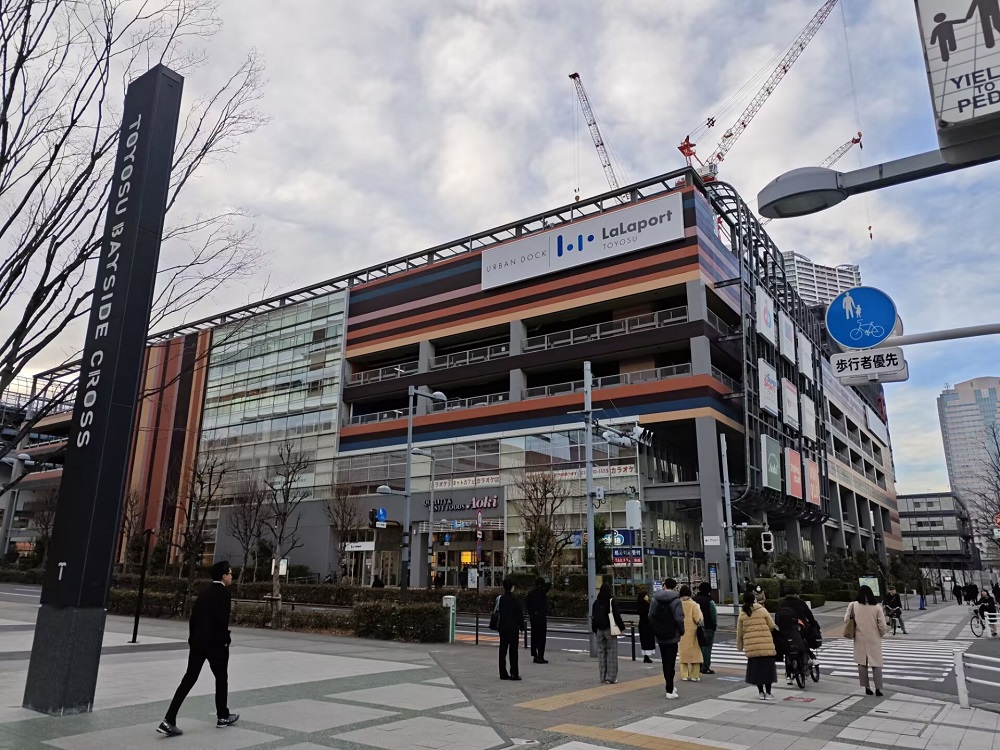
1. Overview of the Toyosu 4-2 Block New Construction Plan
The (Tentative Name) Toyosu 4-2 Block New Construction Plan is located in Toyosu, Koto Ward, Tokyo, adjacent to the Urban Dock LaLaport Toyosu commercial complex and the Toyosu Bayside Cross landmark building cluster. It is one of the key development projects in the Tokyo Bayfront area’s urban renewal strategy. The project is general-contracted by the Tokyo Architecture Branch of Kajima Corporation, one of Japan’s five Super General Contractors (スーパーゼネコン). The building primarily serves as high-quality office space with complementary commercial facilities, and its interior finishing quality requirements meet Japan’s first-tier Grade-A office building standards.
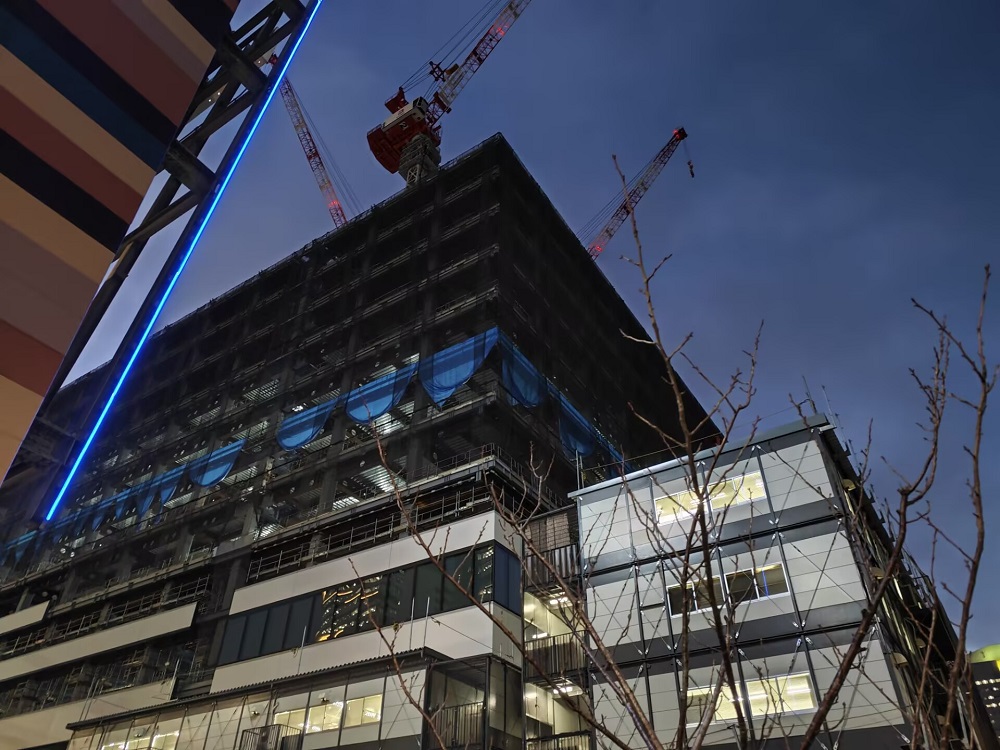
The project employs a steel structural frame system. The above-ground multi-story, large-span office spaces impose systematic requirements on floor load distribution, MEP (mechanical, electrical, and plumbing) routing coordination, and post-occupancy operational flexibility. Consequently, the design phase determined that OA raised access floor systems would be adopted as the standard approach for all office floors.
2. Kajima Construction’s Supplier Management Philosophy
Founded in 1840, with over 180 years of history, Kajima Construction is a benchmark practitioner of the “quality-first” philosophy in Japan’s construction industry. Within its supplier management system, any new material or new supplier entering the Kajima supply chain for the first time must undergo a rigorous “Factory Inspection” (工場検査) procedure. This procedure is by no means a perfunctory tour — it involves technically qualified management professionals entering the production site to conduct substantive evaluations of every process and every quality control checkpoint.
For overseas suppliers, the audit threshold is even higher — requiring the overcoming of language barriers, bridging of cultural differences, and measuring a foreign factory’s management level by Japanese standards. For this very reason, Kajima Construction’s decision to dispatch a Division Director-level executive to China in person conveyed two clear signals: First, the project’s quality requirements for this material permit absolutely no compromise; Second, Kajima Construction had already preliminarily determined through prior technical exchanges that Huiya possessed the potential to pass the audit, warranting personal confirmation by the highest level.
3. The Role of OA Floor Systems in Japanese Architecture
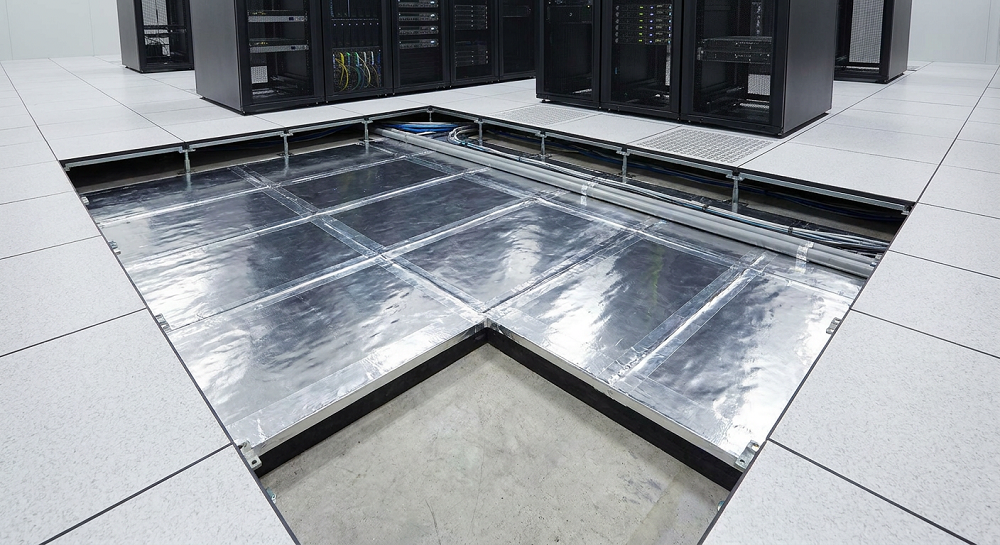
In Japan’s construction industry, raised access floor systems are commonly referred to as “OA Floor” (Office Automation Floor). Their core function is to create a raised void of a certain height (typically 95mm to 300mm) between the structural slab and the finished floor surface, accommodating the following building MEP systems:
- Power distribution systems: main electrical lines, branch circuits, outlet circuit conduits
- Low-voltage communication systems: LAN network cabling, telephone lines, fiber optic channels
- HVAC systems: underfloor air distribution (UFAD) ductwork
- Fire protection and security systems: detector wiring, access control cabling
Compared to traditional embedded conduit methods, OA floor systems offer significant advantages: ease of future layout modifications, shortened construction periods, reduced structural slab loading, and enhanced spatial flexibility. In Japan, virtually all newly constructed Grade-A office buildings are equipped with OA floor systems as standard, and product quality directly relates to long-term building performance and user experience.
II. Huiya GRC1000 Japanese-Style OA Floor Product – Alternative to Nichias M300A OA Floor
In Japan’s OA floor market, the M300A OA Floor produced by Nichias Corporation (ニチアス) has long held a dominant position, earning widespread adoption by Japan’s major construction companies through its stable product performance and mature construction system. However, as Japan’s construction industry entered a concentrated project commencement wave in the post-pandemic era, the M300A’s production capacity bottleneck became increasingly apparent, a single factory’s annual output struggled to simultaneously meet the demands of dozens of projects being advanced concurrently across Kajima Construction’s Tokyo, Osaka, Nagoya, and other branches. Delivery lead times extended to 4-6 months, severely impacting project construction schedules.
Against this backdrop, Kajima Construction proactively sought alternative supply sources of equivalent quality. Leveraging years of technical expertise in GRC materials, Huiya initiated a GRC OA Floor R&D project targeting the Japanese market in 2021. After 3 years of laboratory development, trial production, performance verification, and on-site trial installation, a mature GRC1000 product solution was finalized.
1. GRC Material Technology Principles
GRC (Glassfibre Reinforced Cement) is a high-performance inorganic composite material composed of low-alkalinity sulfoaluminate cement as the matrix, alkali-resistant glass fiber (AR-Glass Fiber) as the reinforcement, supplemented by selected aggregates and functional admixtures. Its technical advantages include:
| Performance Indicator | GRC Material Characteristics | Significance for OA Flooring |
|---|---|---|
| Flexural Strength | 18-25 MPa | Meets concentrated load and pedestrian dynamic load requirements |
| Impact Toughness | Excellent (fiber bridging effect) | Withstands office furniture movement and equipment relocation impacts |
| Bulk Density | 1.8-2.0 g/cm³ | Lightweight design, reduces additional dead load on structural slab |
| Combustion Performance | Class A non-combustible (inorganic material) | Complies with Japan’s Building Standards Law fire protection requirements |
| Hygroscopic Deformation Rate | ≤0.1% | Dimensionally stable, no warping during long-term use |
| Environmental Properties | Asbestos-free, formaldehyde-free | Complies with Japanese indoor environmental hygiene standards |
2. Product Structural Design
The structural design of Huiya’s GRC1000 OA floor panel fully draws upon the mature experience of similar Japanese products while incorporating proprietary structural optimizations:
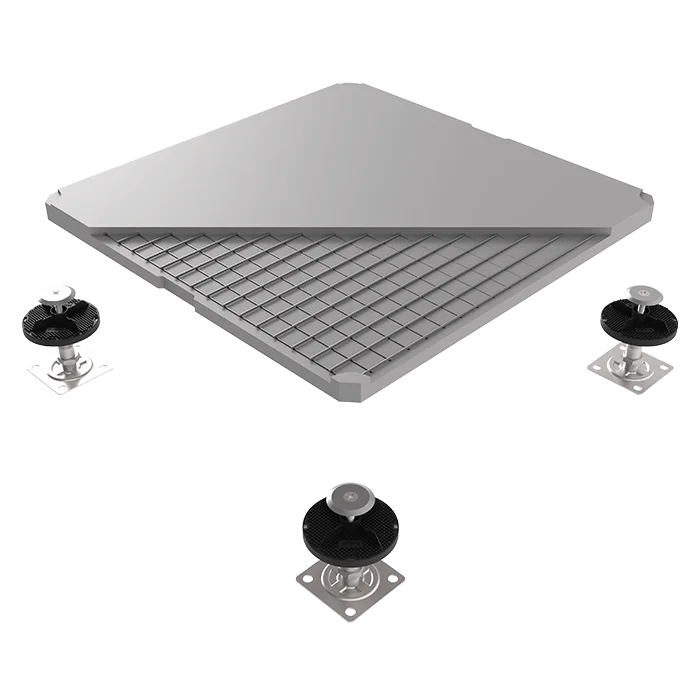
Panel Body:
- Standard dimensions: 500mm × 500mm (fully compatible with Japan’s mainstream modular system)
- Standard thickness: 25mm-28mm
- Waffle-pattern reinforcing ribs on the panel underside increase section moment of inertia and enhance flexural rigidity
- Positioning recesses at four corners precisely mate with positioning bosses on support pedestals
Panel Types:
- Solid type (標準タイプ/Standard Type): Suitable for general office areas
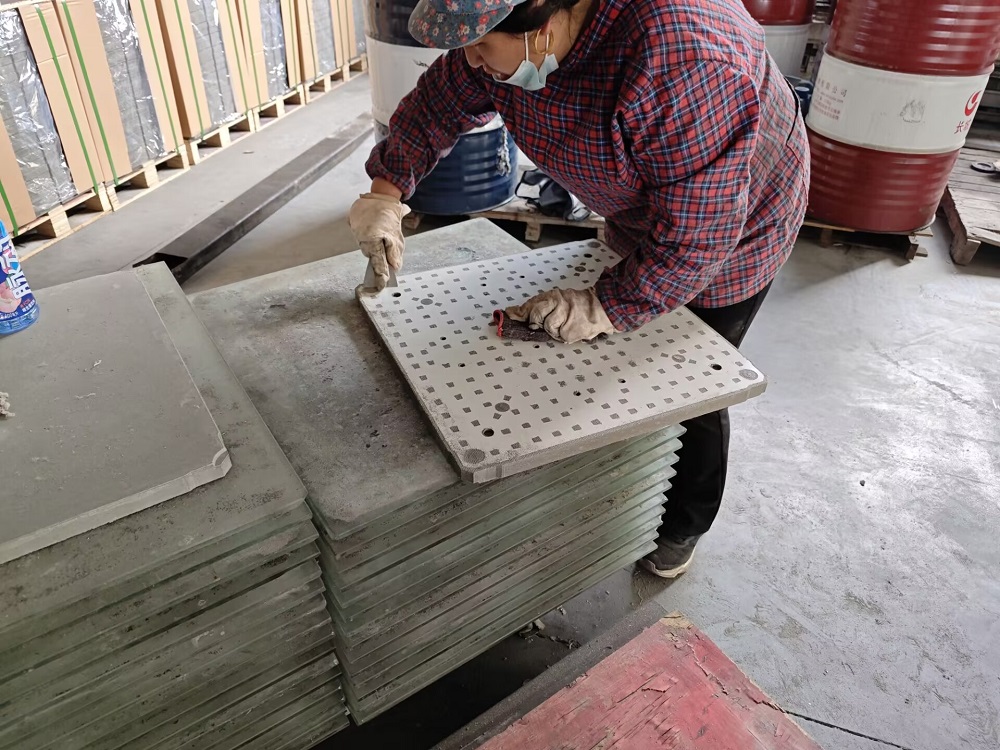
- Perforated type (通気タイプ/Ventilation Type): Panel surface features regularly distributed circular and square holes, suitable for underfloor air distribution zones, providing uniform airflow distribution
Surface Treatment:
Factory finish is a precision-ground gray surface with flatness controlled within ±0.3mm
Can directly receive carpet tiles (タイルカーペット), PVC sheet flooring, wood flooring, and other finish materials
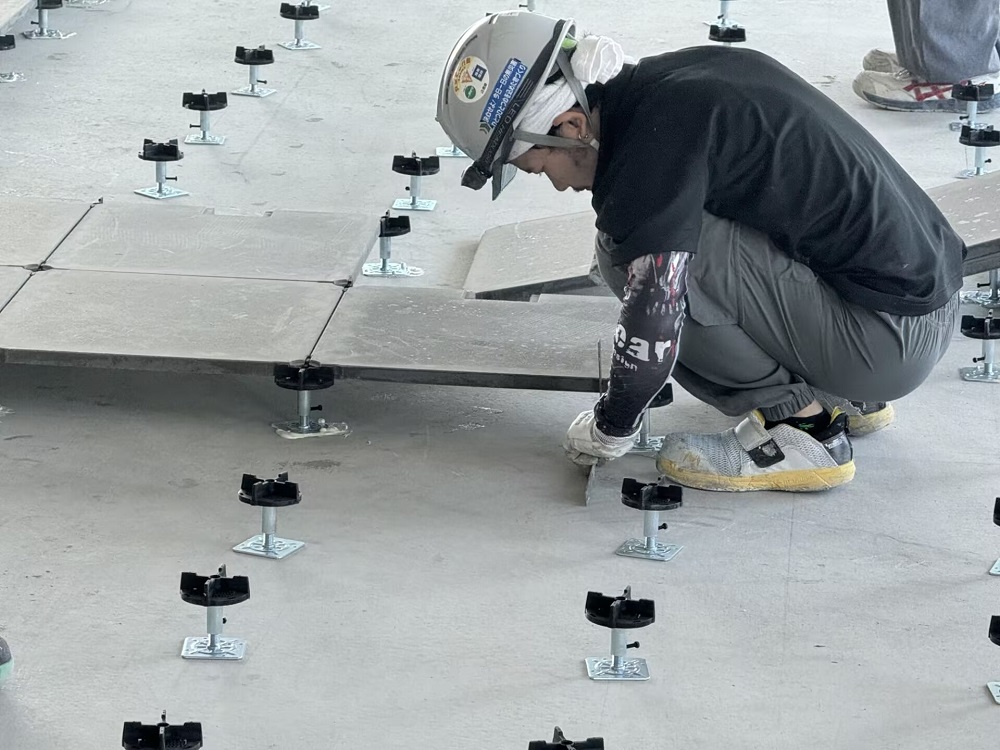
For more detailed product specifications and construction details, please refer to Huiya’s official website product catalog pages: ?HUIYA GRC1000 OA Raised Floor
3. Supporting Pedestal System
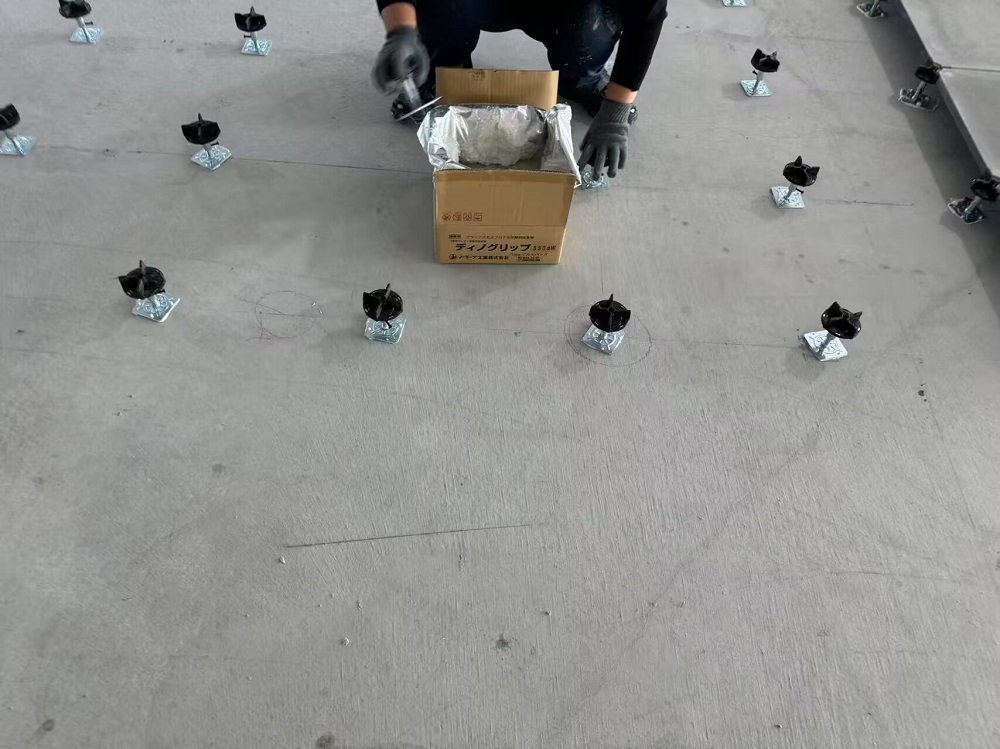
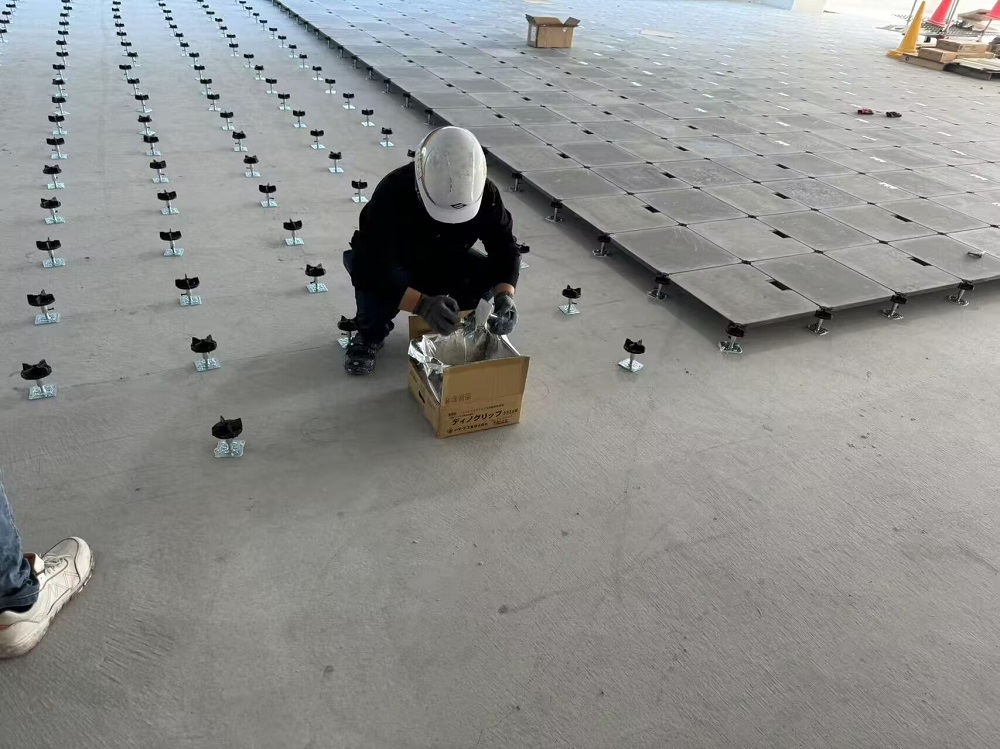
For the Toyosu project, Huiya GRC panels are paired with the Dino Grip 3338W adjustable support pedestals manufactured by Notice Industrial Co., Ltd. (ノーティス工業株式会社) of Japan. This pedestal system features the following technical characteristics:
- Base plate: Galvanized steel sheet, press-formed, with fixing wings at four corners, bonded to the structural slab using epoxy resin adhesive
- Threaded rod: M12 high-strength threaded rod enabling stepless height adjustment
- Head piece: Engineering plastic injection-molded with cross-shaped positioning grooves for precise positioning at the junction point of four panels
- Adjustment range: Covers raised heights from 95mm to 300mm depending on project requirements
III. Documentary Record of Kajima Corporation’s Full-Process Quality Audit
On July 9, 2024, the Tokyo Architecture Branch of Kajima Corporation organized a high-level product quality inspection team to visit Huiya’s production base.
1. Inspection Team Composition and Itinerary
- The inspection team comprised the following members:
- Kamiya – Division Director (Overall Technical Responsibility)
- Hamamura – Section Chief (Material Quality Management)
- Inoue – Section Chief (Construction Technical Management)
This audit constituted the “Product Manufacturing Factory Inspection” phase within Kajima Construction’s supplier management system — a mandatory procedure prior to formal supply commencement. The audit’s purpose was to comprehensively verify Huiya’s raw material control capabilities, production process stability, and quality inspection system effectiveness, confirming that products can continuously and stably meet the Toyosu project’s technical specification requirements.
2. Raw Material Traceability and Warehouse Management Audit
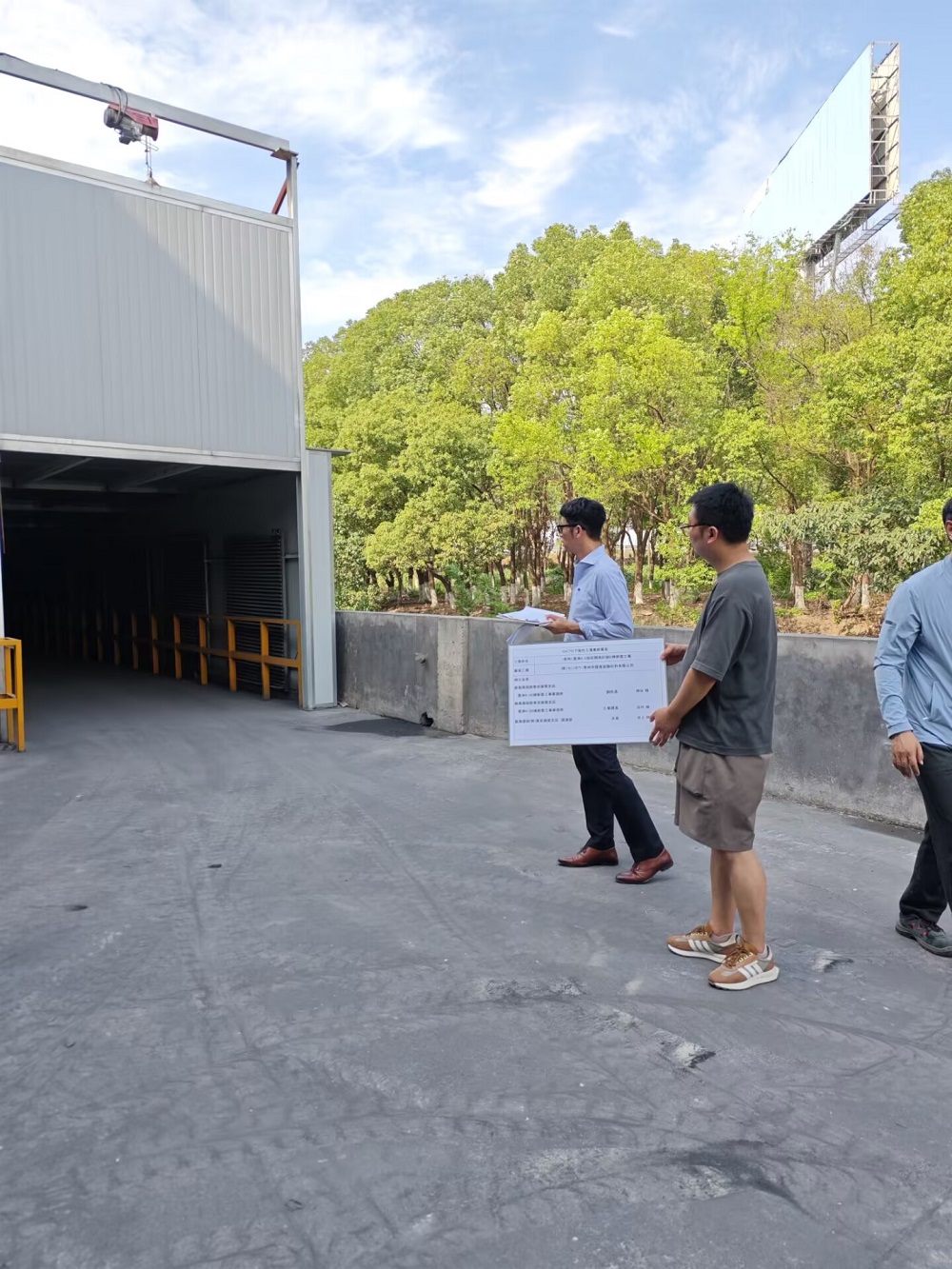
The inspection team first entered the raw material storage area, focusing on the following aspects:
- Cement Raw Material Control: The inspection team thoroughly reviewed cement supplier qualification documents, inspection reports for each batch, and Huiya’s re-inspection ledgers upon receipt. They confirmed the cement type as low-alkalinity sulfoaluminate cement, with core indicators including strength grade, setting time, and soundness all conforming to product formulation design requirements, traceable to specific production batches.
- Alkali-Resistant Glass Fiber (AR-Glass Fiber): This is the critical raw material determining the long-term durability performance of GRC materials. The inspection team verified the fiber supplier’s ZrO₂ content certification (≥16%), fiber diameter, and chopped strand length factory test data. Division Director Kamiya specifically inquired about long-term stability verification data for fibers in the alkaline cement matrix. Huiya’s technical team presented a 3-year accelerated aging test report, with data showing that the fiber reinforcement degradation rate under simulated 50-year service life conditions was far below industry-allowed limits. This received full recognition from the inspection team.
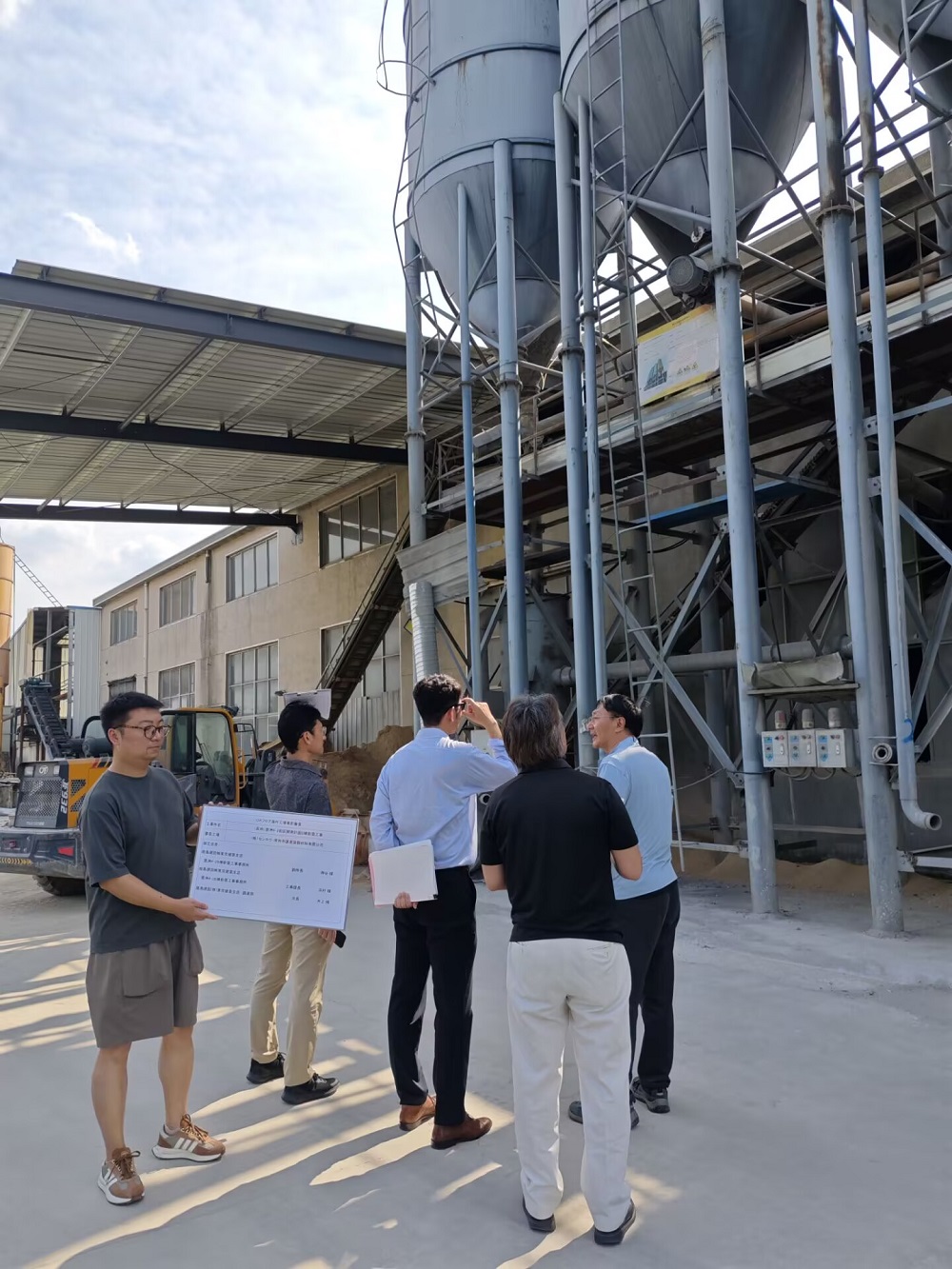
- Aggregate Management: The inspection team conducted on-site inspections at large storage silos, gaining detailed understanding of aggregate source traceability, particle size distribution testing frequency, clay content control standards, and first-in-first-out inventory management procedures. The cleanliness of the storage area and clarity of labeling left a favorable impression on the inspection team.
- Admixture System: The team audited the basis for brand selection of water reducers, early-strength agents, and other functional admixtures, along with storage conditions (temperature and humidity control), shelf-life management, and dosing accuracy.
3. Production Process Flow Audit
The inspection team followed the production sequence, examining each production stage in order:
(1) Batching and Mixing Process:
The inspection team entered the mixing station control room to examine the automated batching system’s operational status. Huiya’s batching system employs PLC-programmed control, with each component (cement, fiber, aggregate, water, admixtures) precisely metered by electronic scales with measurement error controlled within ±1%. The system undergoes zero-point calibration before daily startup and periodic calibration by the metrology department monthly. The inspection team reviewed calibration records and daily verification data from the past six months, confirming the metering system has been in a long-term stable and controlled state.
During the mixing process, the inspection team focused on mixing time, material addition sequence, and fiber dispersion uniformity control methods. Huiya’s technical staff demonstrated the post-mixing slurry sampling inspection procedure, taking samples from different positions in the mixer and testing fiber content uniformity through the wash-out method, with deviation rate controlled within 5%.
(2) Forming Process:
In the GRC panel forming workshop, the inspection team observed the panel casting process. Workers pour uniformly mixed GRC slurry into precision steel molds, followed by vibration compaction and curing before demolding. The inspection team paid particular attention to mold cleaning and maintenance conditions, release agent application standards, and the initial defect inspection procedure for panels after forming. Huiya employs precision-machined steel molds with panel forming surface flatness tolerance controlled within ±0.2mm. The inspection team examined mold daily cleaning and maintenance records, usage count tracking, and periodic precision re-measurement protocols. Each mold set has an independent “history card” recording cumulative usage count, repair history, and precision change trends.
(3) Metal Component Stamping Process:
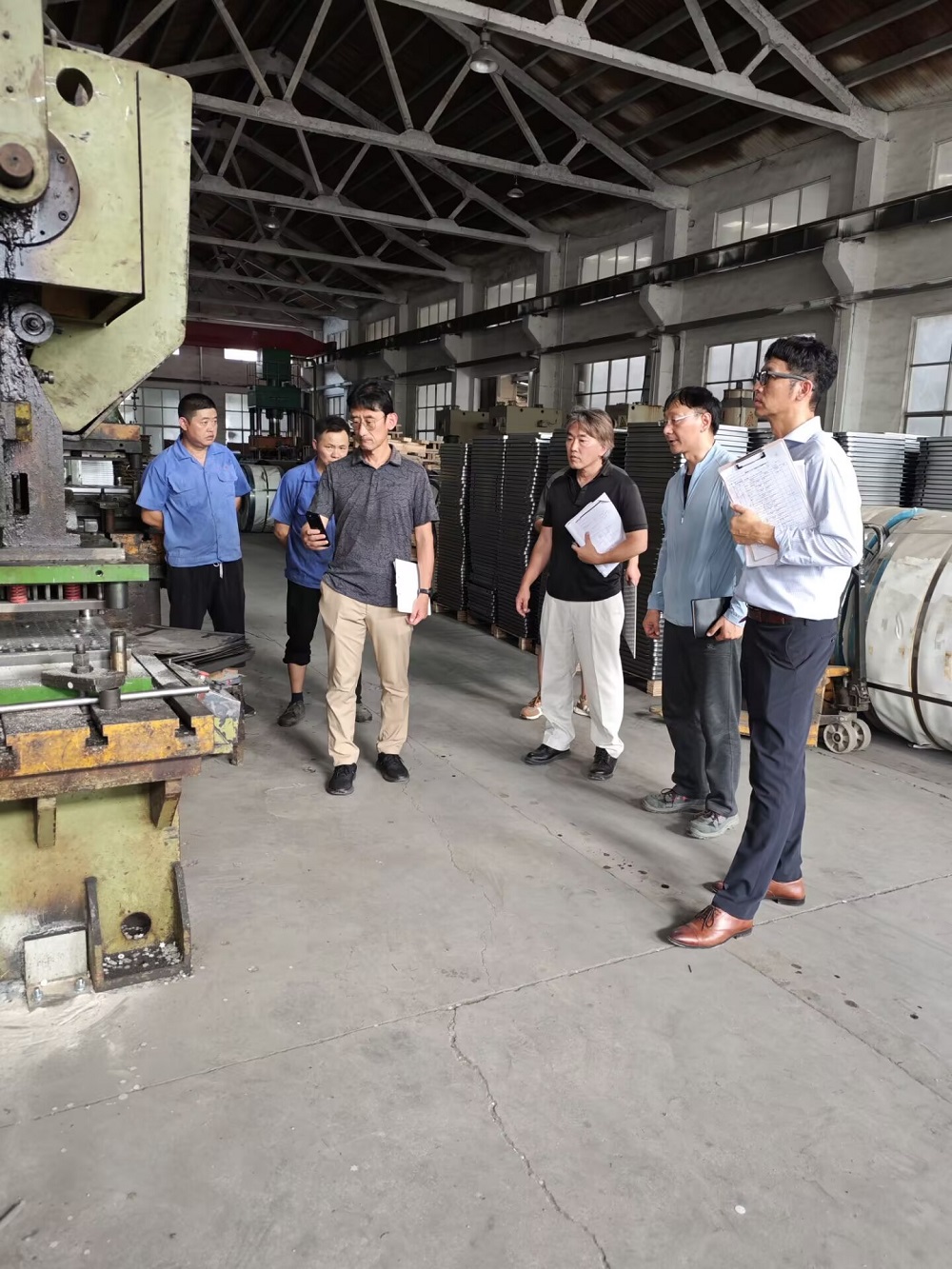
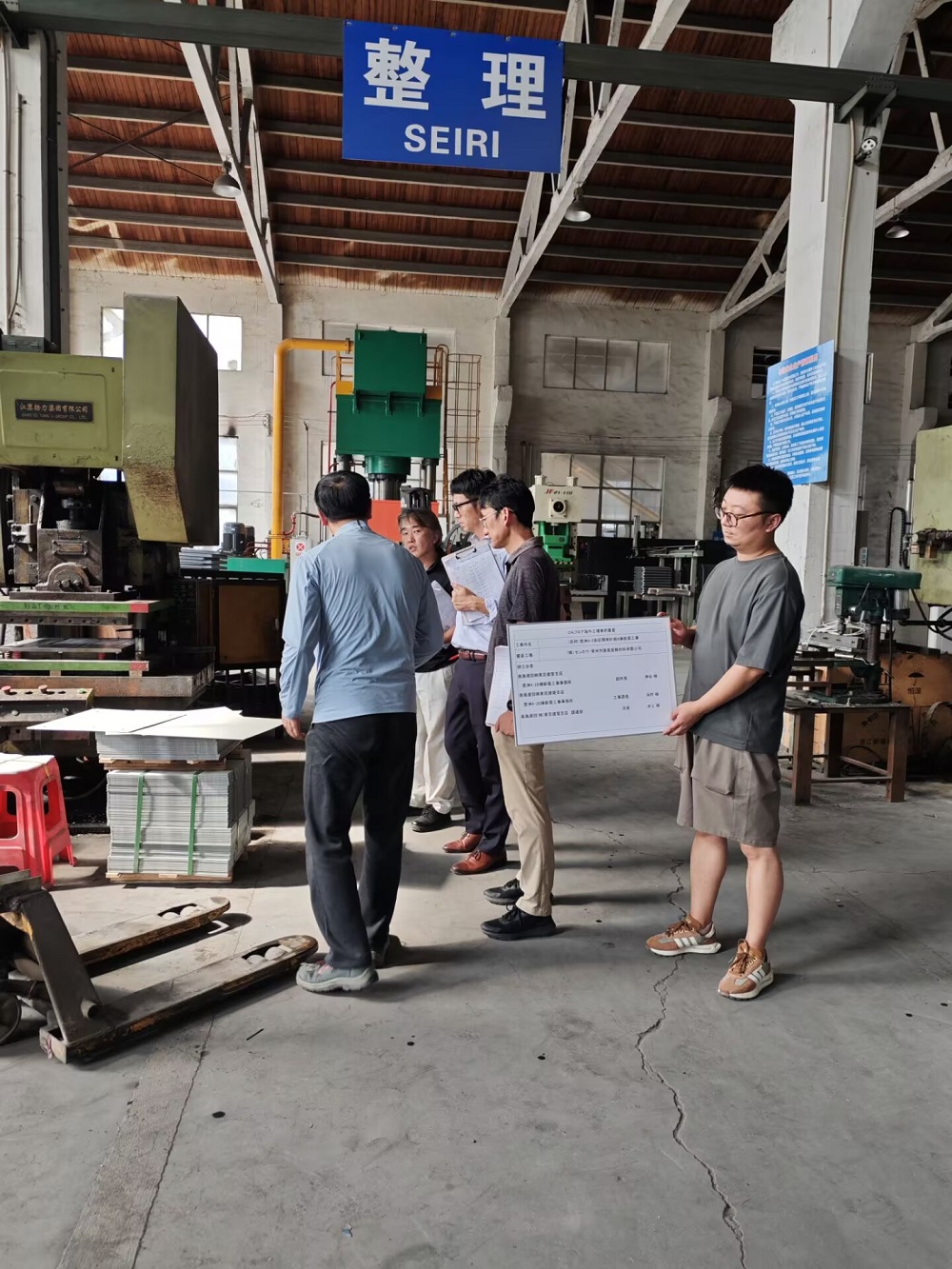
In the metal fabrication workshop, the inspection team examined the stamping production line for OA floor support bases, connectors, and other metal components. The workshop is equipped with multiple high-tonnage punch presses for steel plate shearing, stamping, and bending operations. 5S management signage (Seiri/Sort, Seiton/Set in Order, Seiso/Shine, Seiketsu/Standardize, Shitsuke/Sustain) was posted throughout the site. Workstations were clean and orderly, with work-in-progress and finished products stored in separate zones, demonstrating standardized site management. The inspection team conducted spot-check confirmations of stamping die precision, raw steel plate material certificates, and galvanizing layer thickness. Steel plate material certificates were traceable to steel mill heat batch numbers, and galvanizing layer thickness measurements all exceeded the minimum values required by drawings, demonstrating that Huiya maintains reliable quality assurance capability in metal component fabrication as well.
(4) Post-Processing and Quality Inspection Process:
The team audited the curing regime after panel demolding, surface grinding and finishing procedures, dimensional sampling inspection frequency and acceptance criteria, and non-conforming product handling procedures. Each demolded panel immediately undergoes visual inspection (for defects including air bubbles, chipped corners, and cracks), with non-conforming products isolated and marked immediately, prevented from flowing to subsequent processes. The inspection team spot-checked several panels produced that day and expressed satisfaction with their surface texture, edge integrity, and the fullness of underside reinforcing rib formation.
4. Product Performance Testing Verification
The final phase of the audit took place in Huiya’s product testing laboratory. The inspection team witnessed key performance tests conducted in accordance with JIS A 1450:
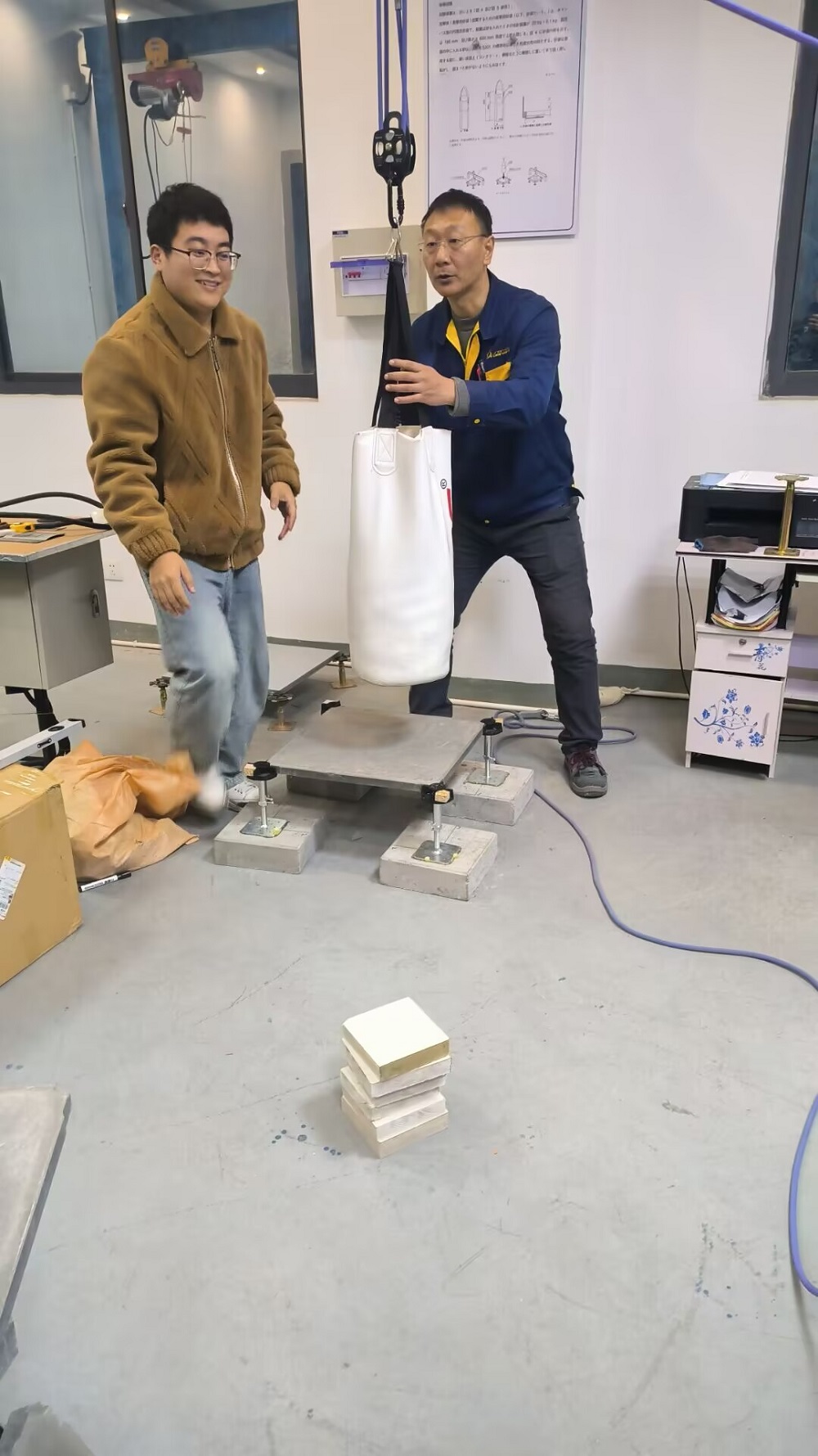
Drop Bag Impact Test (衝撃試験):
Following the test method prescribed by JIS standards, a sandbag of specified mass was dropped from a designated height onto the test panel in free fall. The panel was fixed on a test frame under standard support conditions, and panel crack development and residual deformation under impact loading were checked through high-speed photography and visual inspection. Test results showed that under standard impact energy, the Huiya GRC panel exhibited no through-cracks and no fragmentation, with residual deformation far below standard limits.。
Concentrated Load Test:
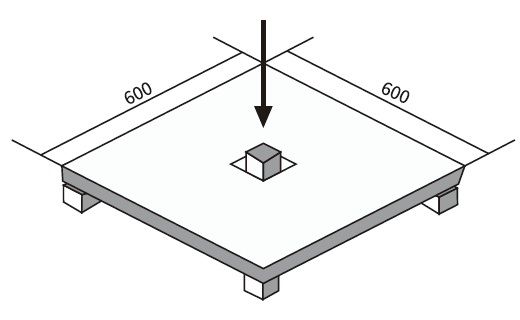
Incrementally increasing concentrated force was applied at the panel center (through a 50mm × 50mm loading pad simulating furniture leg bases), measuring the load-deflection curve. Test results demonstrated that panel center deflection under the design service load (3000N) was far below the allowable value, and residual deformation after unloading was virtually zero, demonstrating excellent elastic working performance.
Uniform Load Test:
Uniform load was applied across the entire panel until failure to determine ultimate bearing capacity. Test results showed that ultimate bearing capacity had ample safety margin, with the safety factor far exceeding code requirements.
5. Audit Conclusion
After a full day of systematic auditing, the Kajima Construction inspection team reached the following principal conclusion:
“Huiya Corporation possesses the capability to stably produce GRC OA Floor products meeting the technical specification requirements of the Toyosu 4-2 Block project. The raw material management system, production process controls, and quality inspection methods all meet Kajima Construction’s supplier management requirements. Formal mass production and supply is approved.”
6. Industry Significance of Passing the Audit
The personal endorsement by a Division Director-level executive of Kajima Construction carries extremely high credibility value within Japan’s construction industry. This signifies:
- Formal Establishment of Supplier Qualification: Huiya has officially entered Kajima Construction’s Approved Supplier List. Going forward, other branches and projects under Kajima Construction may simplify procurement procedures based on this audit conclusion, opening broader market opportunities for Huiya.
- International Benchmarking of Quality Standards: Passing Kajima Construction’s audit is tantamount to Huiya’s quality management system withstanding the test of Japan’s construction industry’s highest standards. The validating power of this certification in a sense surpasses that of ordinary third-party certifications, it comes from the end user’s (general contractor’s) substantive judgment based on actual engineering requirements.
- Trust Breakthrough for Chinese Manufacturing: In Japan’s building materials market, cases where overseas suppliers receive Division Director-level approval from a Super General Contractor are exceedingly few. Huiya’s successful passage of this audit has powerfully broken the inertial perception that “Japan’s high-end building materials must rely on domestic supply,” establishing a new benchmark for the international export of high-quality Chinese building materials.
IV. On-Site Verification: OA Floor Installation at Toyosu 4-2 Block
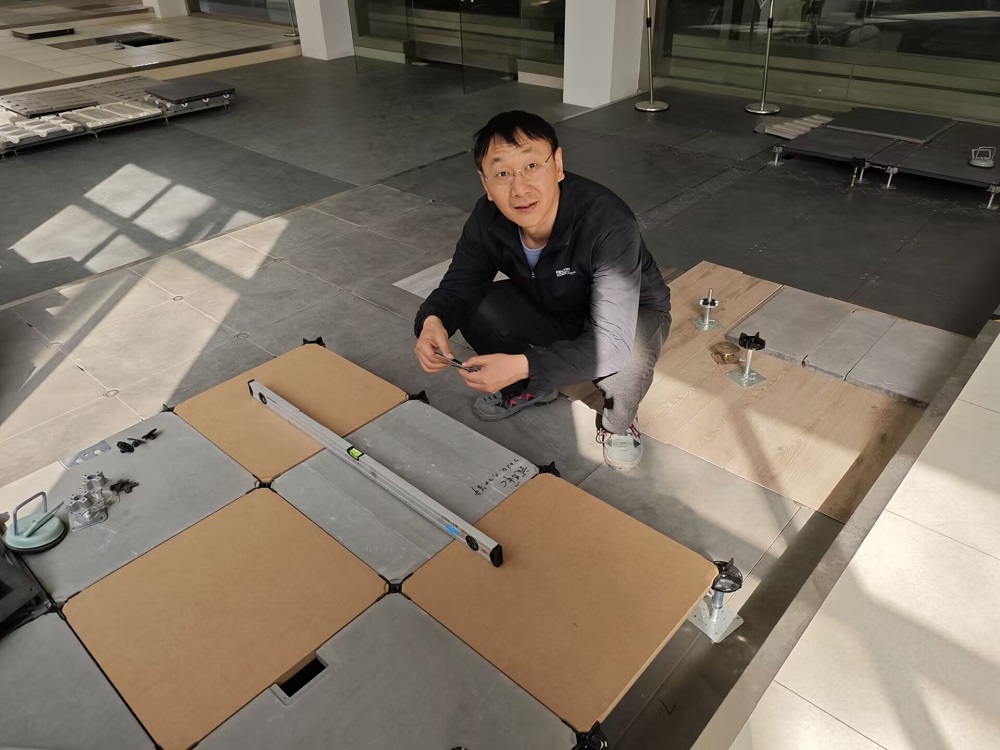
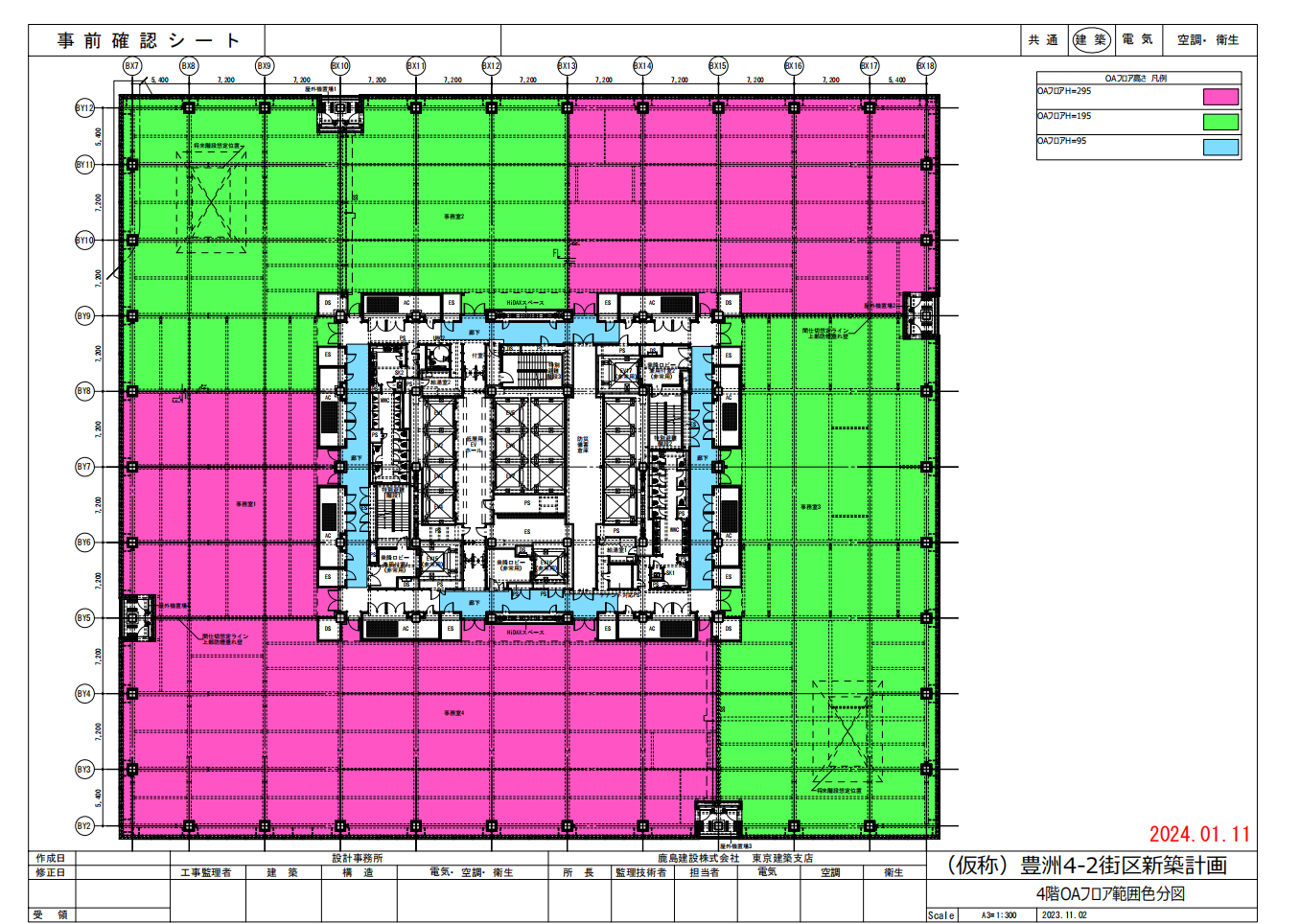
Based on the successful completion of this factory audit, Huiya’s GRC1000 OA floor was put into mass production and shipped to Tokyo as planned. During on-site installation at the (Tentative Name) Toyosu 4-2 Block New Construction Plan, the product performance fully delivered on the quality promise demonstrated during the factory audit — the installation team completed the laying of several thousand square meters to specification and on schedule under Tokyo’s harsh winter conditions (minimum temperature approaching 0°C). Following item-by-item rigorous acceptance inspection by Kajima Construction’s on-site supervisor, flatness, stability, and visual quality all met standards, with the project successfully completed on January 20, 2025. This result stands as the most powerful empirical validation of Division Director Kamiya’s audit conclusion.
V. Quality Standard Achievement: Significance of JIS A 1450 Certification
JIS (Japanese Industrial Standards) is Japan’s national standards system, formulated by the Japanese Industrial Standards Committee (JISC) and promulgated with approval from the Minister of Economy, Trade and Industry. In the field of building materials and building components, JIS standards are renowned for their rigorous technical specifications and scientific testing methodology systems, serving as the quality baseline for Japan’s construction industry.
1. JIS A 1450 Standard Requirements
JIS A 1450 “Performance Test Methods for Free Access Floor Components” (フリーアクセスフロア構成材の性能試験方法) is a testing standard specifically designed for raised access floor systems, prescribing test methods and acceptance criteria for the following core performance indicators:
- Concentrated load performance: Simulating point load conditions from office chair casters and equipment legs to test bearing capacity and deformation
- Uniform load performance: Simulating surface load bearing capacity in high-density occupancy areas
- Impact performance: Testing panel integrity under accidental impacts such as dropped objects
- Walking comfort performance: Evaluating comfort during pedestrian traffic, including deflection sensation and noise
- Rolling load performance: Simulating fatigue durability under repeated rolling of office chair casters
2. Significance of Huiya’s Product Compliance
The successful implementation of the Toyosu project empirically demonstrates that Huiya’s GRC1000 OA floor can comprehensively meet all performance requirements of JIS A 1450 under actual engineering conditions. This achievement carries multiple levels of industry significance:
- For Huiya: It marks the company’s products officially obtaining a “quality passport” for entry into Japan’s high-end construction market, with its technical capabilities and manufacturing standards endorsed by an internationally first-tier construction company.
- For Industry Development: It proves that Chinese GRC manufacturers are fully capable of producing high-quality building materials that meet Japanese industrial standards, establishing a benchmark case for the international export of Chinese building material products.
- For Market Supply: It provides a new reliable option for Japan’s construction market in OA floor product supply, helping to alleviate project delay risks caused by single-supplier production capacity constraints.
An inspection team crossing oceans for a personal visit. A rigorous and exacting quality judgment. An unreserved highest-level endorsement – Kajima Corporation’s factory audit of Huiya was not merely an access procedure for commercial cooperation, but a profound collision and mutual affirmation between two quality cultures.
The Japanese construction industry’s ultimate pursuit of quality met Huiya’s decade of deep cultivation in GRC material technology. When Division Director Kamiya personally picked up a GRC panel that remained intact after impact testing in the laboratory, at that moment, quality needed no translation — the product itself was the most powerful language.
Huiya will take this successful audit as a new starting point, continuously refining product quality and manufacturing management standards, living up to the trust and expectations of Kajima Construction, and striding forward with ever-firmer steps in the high-end building materials markets of Japan and the world.
About Huiya
Changzhou Huiya Decorative Materials Co., Ltd. (www.huiyainc.com) is a technology-oriented enterprise specializing in the R&D, manufacturing, and technical services of raised access floor systems. Its main product lines include GRC raised access floors, calcium sulphate raised access floors, all-steel anti-static floors, and aluminum alloy raised access floors, widely applied in Grade-A office buildings, data centers, cleanrooms, hospitals, schools, and other building types.
The company possesses a comprehensive product R&D laboratory, automated production lines, and a rigorous quality management system. Products are exported to Japan, Southeast Asia, the Middle East, and other overseas markets. Upholding the corporate philosophy of “Precision Quality, Integrity Service,” Huiya is committed to becoming a globally trusted raised access floor system supplier.
Huiya Real-Time News
Huiya Real-Time News is dedicated to providing you with the latest and most authoritative information on the raised flooring industry.
We provide 24/7 updates on industry policy interpretations, market trend analysis, company news.
MORE DOWNLOADS

GENERAL CATALOGUE
HUIYA INTRODUCTION

HUIYA GREEN LABEL
CAD/BIM FULL STEEL
APPLICATION SCENARIOS


